
UK councils spread large quantities of salt between roughly November and March. It keeps roads usable and is hard on cars, but not quite in the way most people assume.
What salt actually does
Salt itself does not eat paint. What it does is dissolve in water to form an electrolyte, which dramatically accelerates the electrochemical process of rust wherever bare metal is exposed. Intact paint is a barrier; the problem is everywhere the barrier is already broken.
That means stone chips, scratches through to metal, welded seams, and the underside, where paint protection is thinnest.
Where to look
- Wheel arches and the lip where arch meets bodywork
- Sills, especially below the doors
- The lower edge of doors and tailgate, where drain holes block
- Behind mud flaps and plastic arch liners, where salt collects and stays damp
- Suspension components, brake lines and the subframe
Washing through winter
The instinct is to wash less in winter because the car gets dirty again immediately. The opposite is correct: salt left in place keeps working. Wash every couple of weeks through the salting season, and make sure the underside and arches get rinsed, not just the panels you can see.
Avoid washing in freezing conditions if water will freeze in door shuts and locks. A slightly milder day is better.
Protection before winter, not during
Apply wax or a sealant in October, before the salt starts. A protected surface sheds salty water far better and makes mid-winter washing quicker.
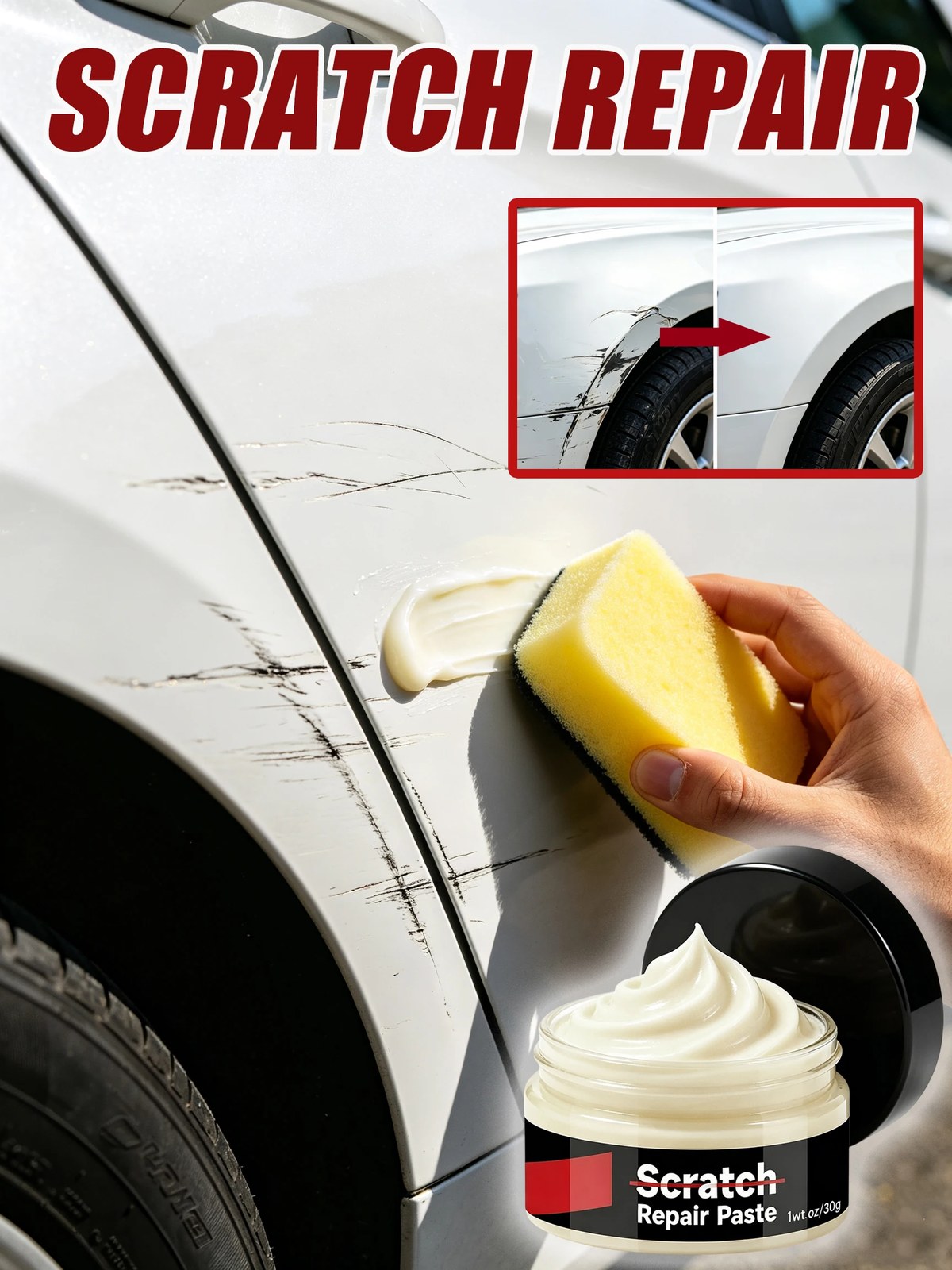
Deal with stone chips before winter too. A chip through to metal in November will be a rust spot by March. Touch-up paint takes minutes and stops the process.
Washing technique in cold weather
Washing in winter is necessary but needs care, because freezing water causes its own problems.
- Wash above freezing, ideally mid-morning on a milder day
- Dry door shuts, sills and boot seals thoroughly so they do not freeze shut
- Avoid high-pressure water directly at door seals
- Keep water away from locks, or use a lock de-icer afterwards
- Do not wash if the car will be parked outside in a hard frost that evening
The underside, which matters most
Corrosion that causes structural problems starts underneath, where salt collects in box sections, seams and the inside of arch liners. It is the least visible area and the most consequential.
A proper underbody rinse once a month through the salting season does more for long-term condition than any amount of polishing. Many jet wash facilities have an underbody lance; where they do not, directing a hose into each arch and along the sills is better than nothing.
Cars kept long-term benefit from a proper underbody protection treatment, applied when the underside is clean and dry, typically in late summer.
Wheels and brakes
Alloy wheels take a heavy dose of salt and brake dust. Brake dust is hot iron particles that embed in the lacquer, and combined with salt they cause the pitting and white corrosion common on older wheels.
- Clean wheels every wash through winter, not occasionally
- Use a dedicated wheel cleaner rather than general shampoo
- Rinse thoroughly, including the inner barrel where salt collects
- Apply a wheel sealant before winter to make cleaning easier
- Check for kerb damage, which exposes bare alloy to salt
Frequently asked questions
Is an automatic car wash bad in winter?
Brush washes can add fine scratches, but getting salt off matters more. A touchless wash with an underbody rinse is a good winter compromise.
Does a ceramic coating stop salt damage?
It makes the surface easier to clean and more water-repellent, but it does not protect chips or the underside. It reduces the work rather than removing the risk.
