
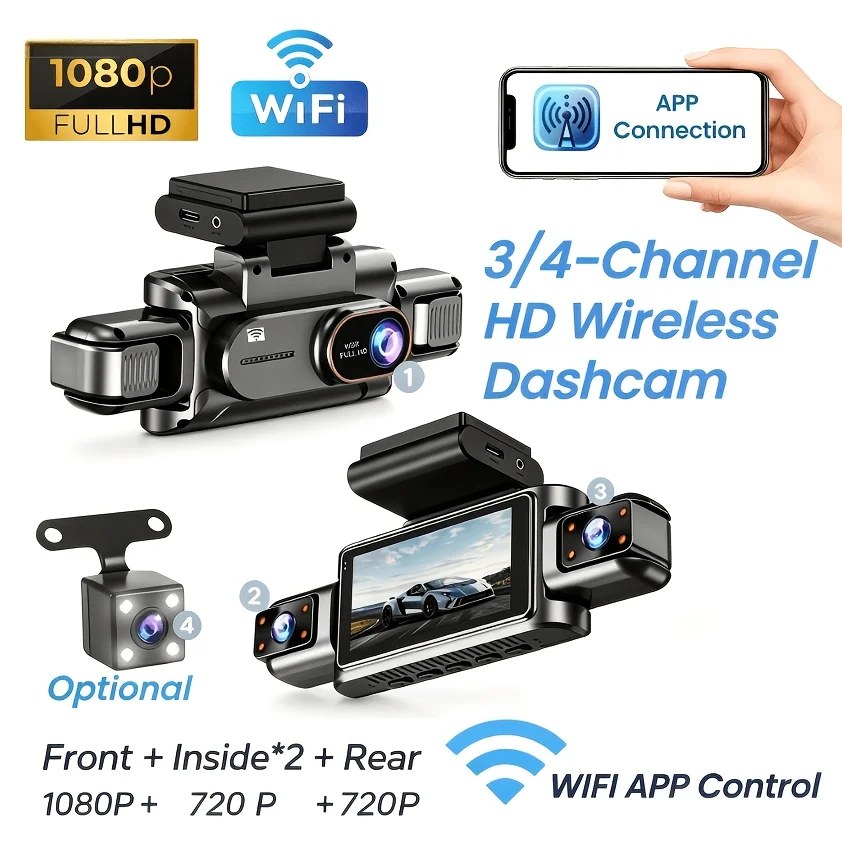
Most dash cam marketing leads on resolution. In practice, whether you can read a number plate at night depends far more on sensor quality and lens aperture than on whether the file is 1080p or 4K.
Resolution, in proportion
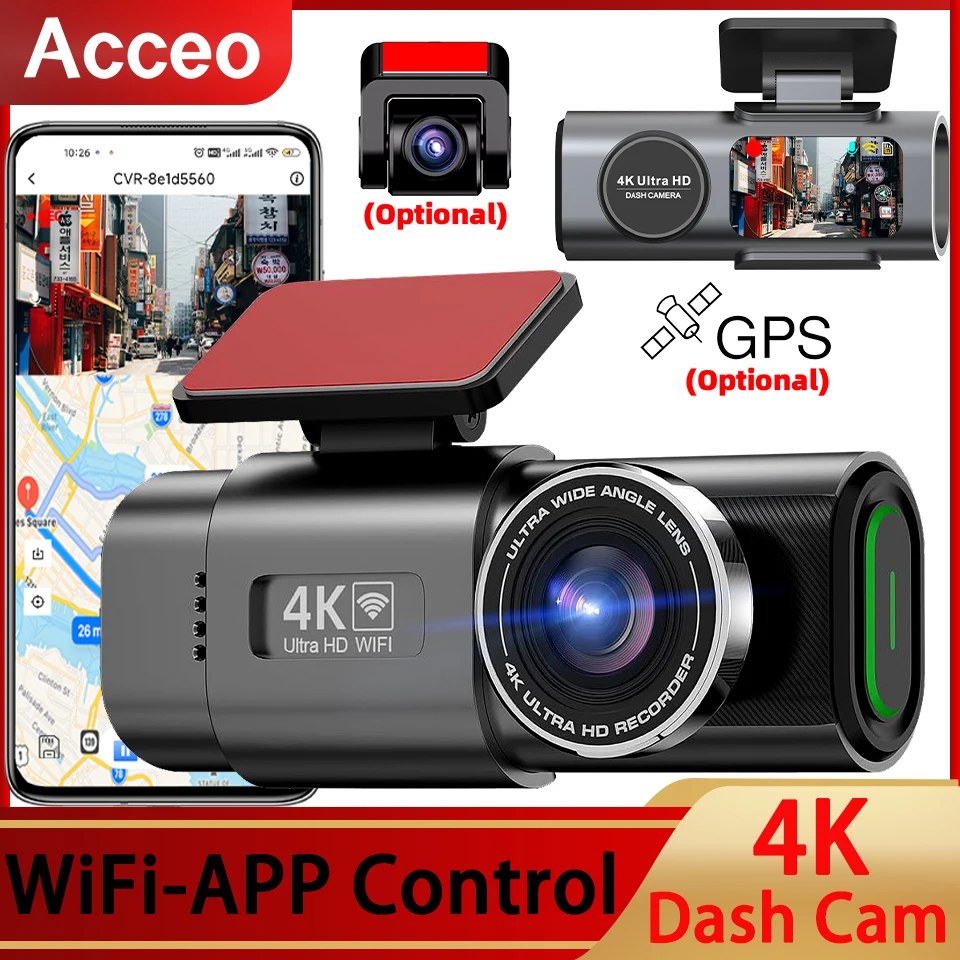
1080p is adequate for the car in front. 1440p is a noticeable improvement for plates at a distance. 4K helps when you need to read a plate several cars ahead or in a wide field of view.
The catch is that higher resolution produces much larger files, so the loop overwrites sooner on the same card, and cheap sensors at 4K can look worse than good sensors at 1440p.
Night performance is the real test
Most incidents that matter happen in poor light: dark, wet British evenings with headlight glare. Look for a large aperture, described as a low f-number, and a sensor known for low-light work. Reviews with actual night footage tell you more than any specification sheet.
HDR or WDR helps considerably with the classic problem of a bright headlight next to a dark plate.
Parking mode and how it is powered
Parking mode records while the car is unattended, which is where a lot of damage happens. It needs power, and that is the practical complication.
- Hard-wire kit into the fuse box, with voltage cut-off to protect the battery
- A dedicated battery pack, which avoids touching the car’s battery at all
- Impact-triggered recording, which uses far less power than continuous
Do not run parking mode from a cigarette lighter socket that stays live without a cut-off. It will flatten the battery.
Practical details people forget
- Use a high-endurance microSD card. Standard cards fail quickly under constant rewriting.
- Format the card every month or two
- Check the camera is actually recording; a failed card is the usual reason footage does not exist
- Front and rear covers the rear-end shunt, which is the most common claim
Field of view, and why wider is not better
Marketing favours very wide lenses, often 170 degrees. A wide field captures more of the scene, but it spreads the same number of pixels across a larger area and introduces barrel distortion at the edges.
The practical result is that a very wide camera captures the car two lanes over but cannot resolve its number plate. Something around 140 to 150 degrees is the better compromise for identifying vehicles, which is usually the point.
Supercapacitors versus batteries
Cheaper dash cams use a small lithium battery to finish writing the file when power is cut. Batteries degrade with heat, and a dash cam lives on a windscreen in direct sun, which is the worst possible environment.
A dash cam with a supercapacitor instead tolerates heat far better and lasts longer. It is one of the more meaningful specification differences and is worth prioritising over resolution in the UK, where cars sit in sun and frost alike.
Features that matter and features that do not
- Worth having: supercapacitor, good low-light sensor, loop recording, G-sensor, parking mode with voltage cut-off
- Sometimes useful: GPS logging, which timestamps speed and location
- Rarely useful: built-in screens, which encourage looking at the camera rather than the road
- Often a distraction: lane departure and collision warnings on cheap units, which false-alarm constantly
Wi-Fi to a phone app is genuinely convenient, because it means you can save and send a clip without removing the card at the roadside.
Frequently asked questions
How long does footage stay on the card?
It loops, so oldest footage is overwritten. On a 64GB card at 1440p expect roughly four to six hours. Save important clips immediately.
Do I need a rear camera?
If you mostly drive in traffic, a rear camera is arguably more useful than higher front resolution, because being hit from behind is so common.
