
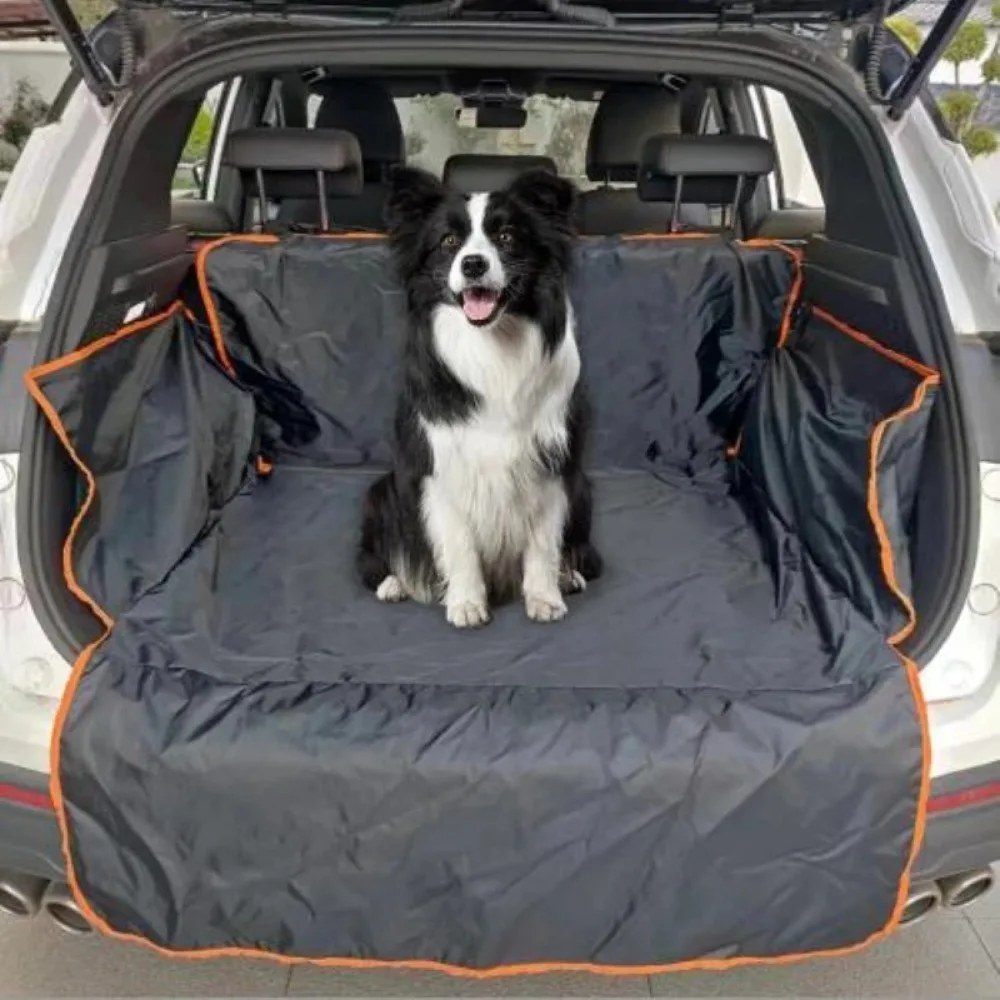
Boot carpet is thinner than cabin carpet, is glued to a board and cannot be lifted out to dry. It is the least resilient surface in the car and takes the roughest treatment.
What actually ruins boot carpet
- Supermarket shopping, particularly leaking bottles and frozen items
- Flat-packed furniture corners and tools, which cut the pile
- Plants and compost, which stain and hold damp
- Wet sports kit left in overnight
- Anything oily, which cannot be removed from carpet at all
What a liner changes
A liner with raised edges turns the boot into a tray. Spills stay contained, sharp objects meet plastic instead of carpet, and the whole thing lifts out to be hosed down. That is the entire proposition, and it is a good one.
Choosing one
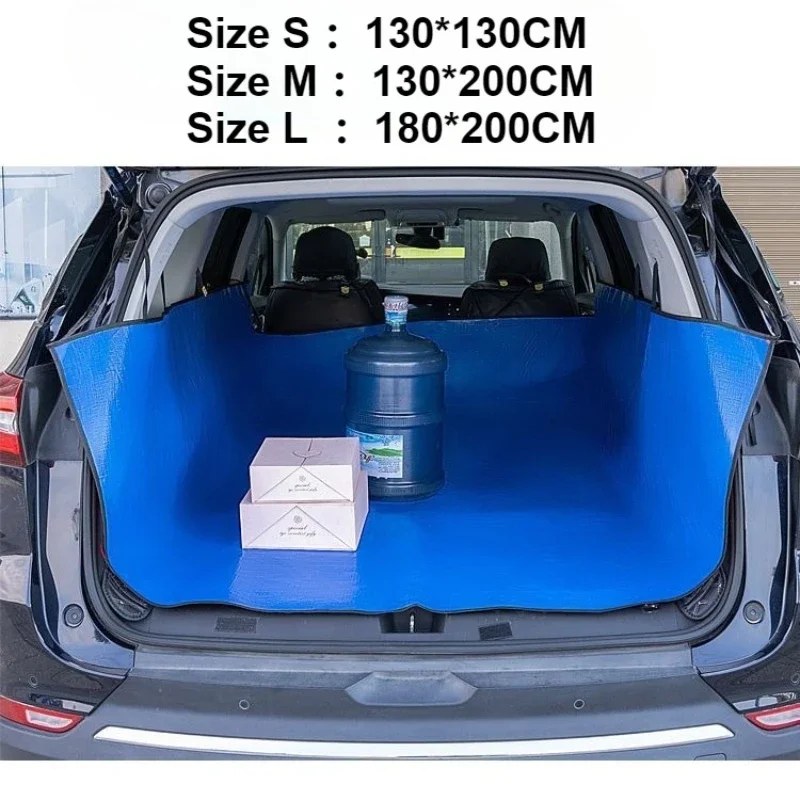
Fit matters most. A liner that stops short of the seat backs lets debris fall into the gap, which is the hardest area in the car to clean. Look for coverage up the sides and a lip at the loading edge.
Anti-slip texture is worth having, because a smooth liner lets shopping slide around and arrive at the bumper in one piece.
The resale point again
Buyers open the boot. A clean, unmarked boot carpet suggests a car that has been looked after, and it is one of the cheapest impressions to protect. A liner costs a fraction of a professional carpet replacement, which on many cars is not economically sensible at all.
Liner types
- Tray liners: rigid or semi-rigid with raised edges. Best spill containment, bulkiest.
- Mats: flat rubber or carpet. Cheapest, no containment at the edges.
- Full-height liners: cover the floor and the side walls, best for dogs.
- Bumper-protector liners: extend over the loading lip, which is the most scratched part.
For most people a tray liner with a bumper flap covers the realistic risks: spills, scratches on loading, and damage to the painted lip.
Seats folded, and the gap nobody covers
On hatchbacks and estates with folding rear seats, folding them creates a gap between the seat backs and the boot floor. Small items fall into it, and liquid runs straight through onto the seat mechanism.
Liners designed for your specific model usually account for this. Universal liners rarely do, which is worth knowing if you fold the seats often.
Cleaning and storage
The whole point of a liner is that it comes out. Hose it, let it dry fully and refit. Refitting a damp liner traps moisture against the boot carpet, which produces exactly the musty smell you were trying to avoid.
Rigid liners do not roll up, so if you occasionally need the full boot depth, plan where the liner will live. A liner stored in a garage is a liner that is not protecting anything.
Frequently asked questions
Will a boot liner fit with a false floor?
Usually, but measure the usable depth first. Some liners are too deep to sit properly on a raised false floor.
Do I need a bumper protector as well?
If you load heavy items regularly, yes. The bumper top edge scuffs quickly and is more expensive to fix than the boot floor.
