
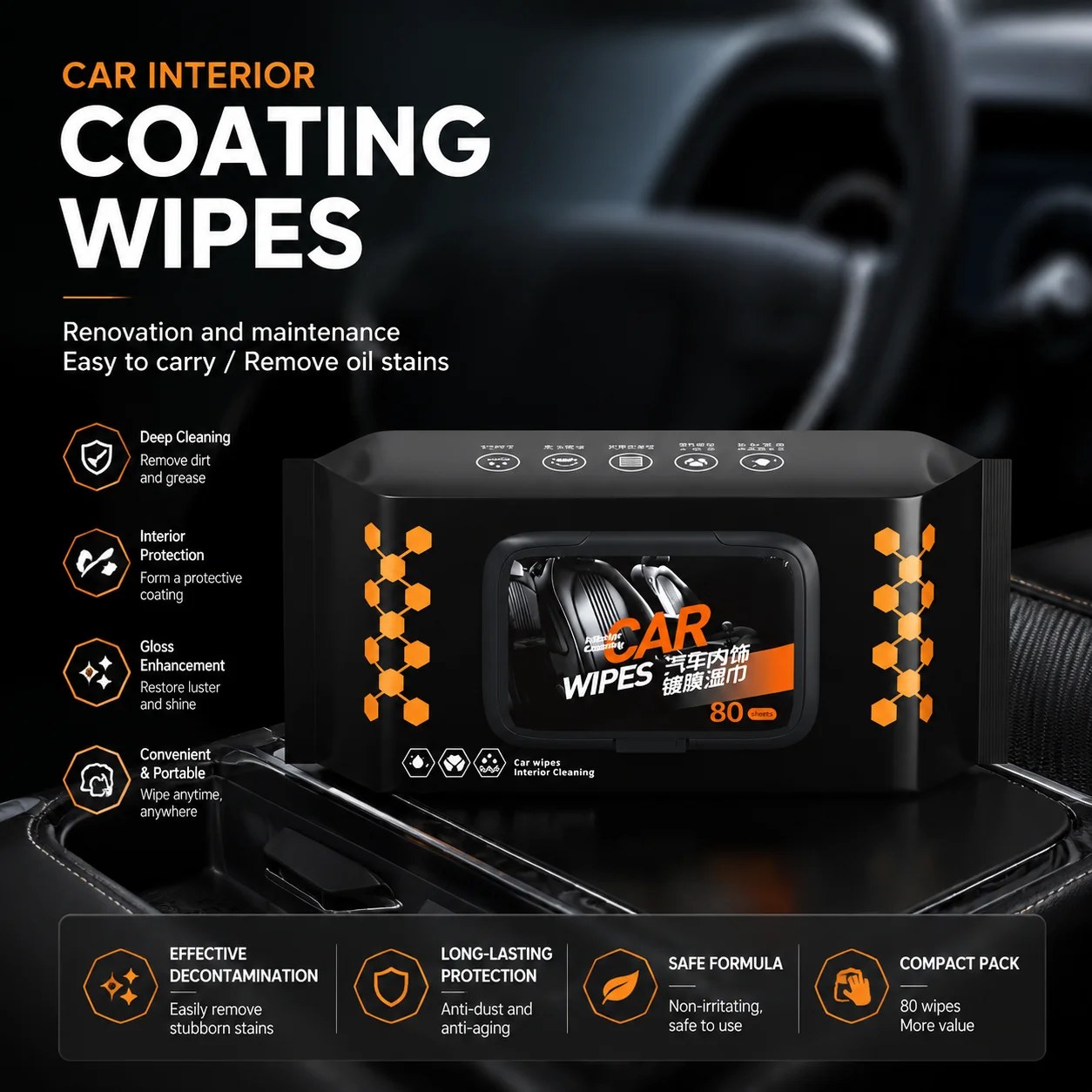
Automotive leather is not the same as furniture leather. Almost all of it is pigmented and coated with a protective urethane layer, and when people talk about leather cracking or fading, what has usually failed is that coating rather than the hide underneath.
What actually damages it
- Harsh alkaline cleaners, which break down the protective coating
- Solvents and alcohol-based products, which dry and embrittle it
- Aggressive brushing, which abrades the finish
- Heat and UV, which is why leather in a car ages faster than leather in a house
- Dye transfer from dark denim, which is very hard to reverse once it has set
The safe routine
- Vacuum first, including seams and perforations, so you are not grinding grit into the surface
- Use a leather-specific wipe or a pH-balanced leather cleaner
- Work one panel at a time and do not let the surface stay wet
- Wipe with a clean, barely damp microfibre to lift residue
- Dry with a second microfibre
Perforated leather needs particular care. Never apply liquid heavily to it, because anything that goes through the holes sits in the foam beneath and cannot be removed.
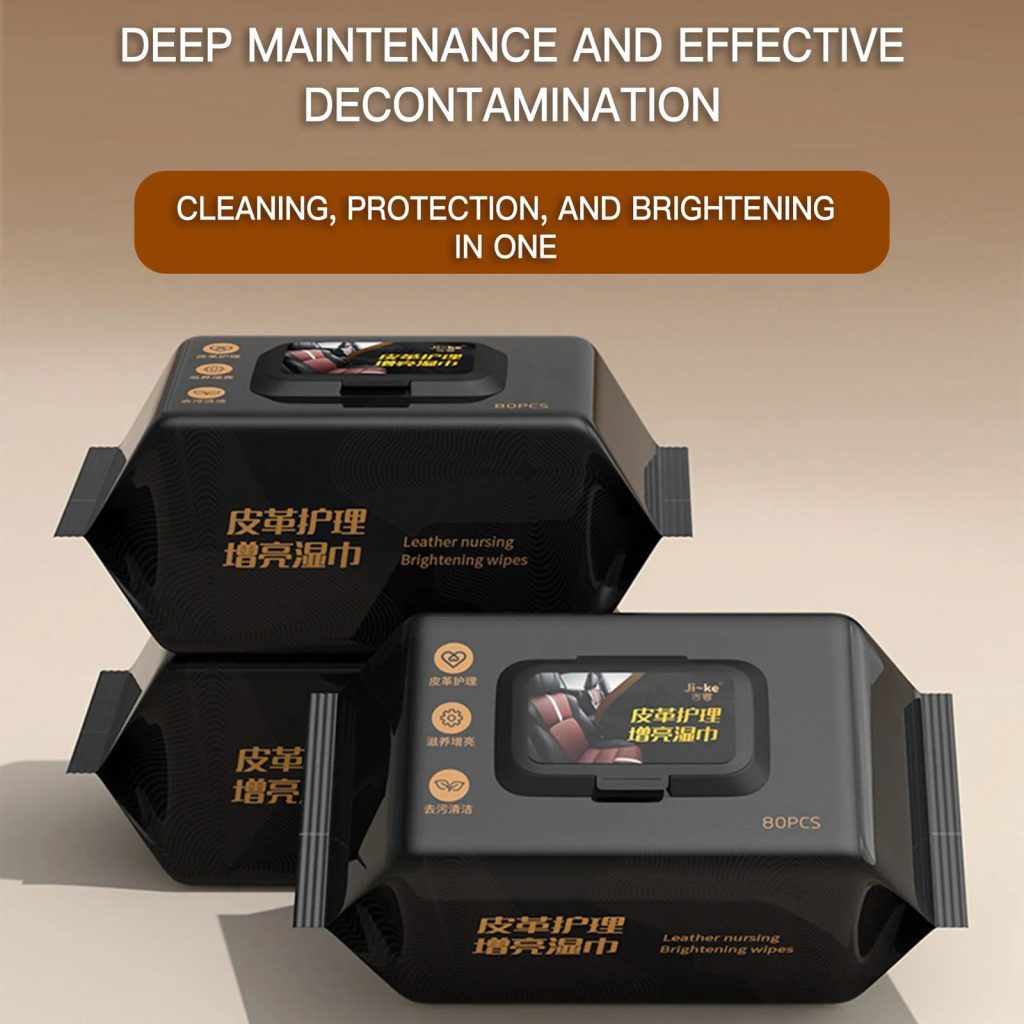
Conditioning: less than you think
Because most car leather is coated, conditioner cannot soak into the hide. What it actually does is leave a protective layer on the surface and improve feel. That is worthwhile, but two or three times a year is plenty. Monthly conditioning simply builds residue.
Prevention beats restoration
Once the coating has worn through and colour has gone, cleaning will not bring it back. The high-wear areas are the driver’s outer bolster and the seat base edge, both from getting in and out. Keeping those areas clean and protected is far cheaper than repairing them later.
Telling coated leather from the rest
Almost all modern car leather is pigmented and coated, which is the good news: it is relatively robust and cleans easily. Some premium cars use semi-aniline leather with a much thinner finish, which is softer, more natural-looking and considerably less forgiving.
A simple test is a drop of water on an inconspicuous area. On coated leather it beads and sits. If it darkens the surface and soaks in within a few seconds, the finish is thin or worn, and you should use a gentler product and far less moisture.
Perforated and ventilated seats
Perforated leather covers seat ventilation and is the most common place for expensive mistakes. Any liquid that goes through a perforation reaches the foam beneath, where it cannot be removed, and in a ventilated seat it can reach a fan.
- Never spray product directly at perforated areas
- Apply to the cloth, and use the cloth almost dry
- Wipe across the perforations, not in circles over them
- Dry immediately rather than letting anything sit
Repairing versus replacing
Light colour loss on a bolster can be re-pigmented by a mobile leather specialist for a fraction of a retrim, and the result on a coated leather is usually very good. Cracking that has gone through into the hide cannot be repaired convincingly.
The economics are worth knowing: a specialist repair on one bolster typically costs less than a set of seat covers and keeps the car original. Full retrim of a seat is usually only sensible on a car worth preserving.
Frequently asked questions
Can I use the same wipes on leather and plastic?
Only if they are specifically labelled as safe for leather. A general interior wipe is usually too alkaline for a leather coating.
How do I remove blue jean dye from a light leather seat?
Act quickly with a dedicated leather cleaner. Dye that has been in place for months has usually migrated into the coating and needs professional attention.
