
Breaking down on a motorway is the most dangerous situation most drivers will face. The correct actions are simple, but they have to be done quickly and they are not intuitive.
If you can reach the hard shoulder
- Signal left and move over as soon as it is safe
- Stop as far left as possible, wheels turned to the left
- Switch on hazard lights; use sidelights too in poor visibility
- Get everyone out through the nearside doors
- Get behind the safety barrier and stand up the embankment, away from the car
- Call for assistance, and tell them if anyone is vulnerable
Do not attempt repairs, and do not stand behind or beside the vehicle. A stationary car on a hard shoulder is at real risk of being struck.
On a smart motorway with no hard shoulder
If you can reach an emergency area, use it. If you cannot, the advice changes depending on whether you can get to the nearside.
- If you can move left, do so, and exit through the nearside if it is safe
- If you are stuck in a live lane and cannot get out safely, keep seat belts on, keep hazards on, and call 999
- Do not get out into a live lane
Smart motorway lanes can be closed remotely with a red X once operators know you are there, which is why calling quickly matters so much.
What helps before it happens
A hi-vis vest in the cabin, a charged phone, and knowing your location. Marker posts at the roadside carry a number that identifies your position precisely, which speeds up the response considerably.
Preventable causes
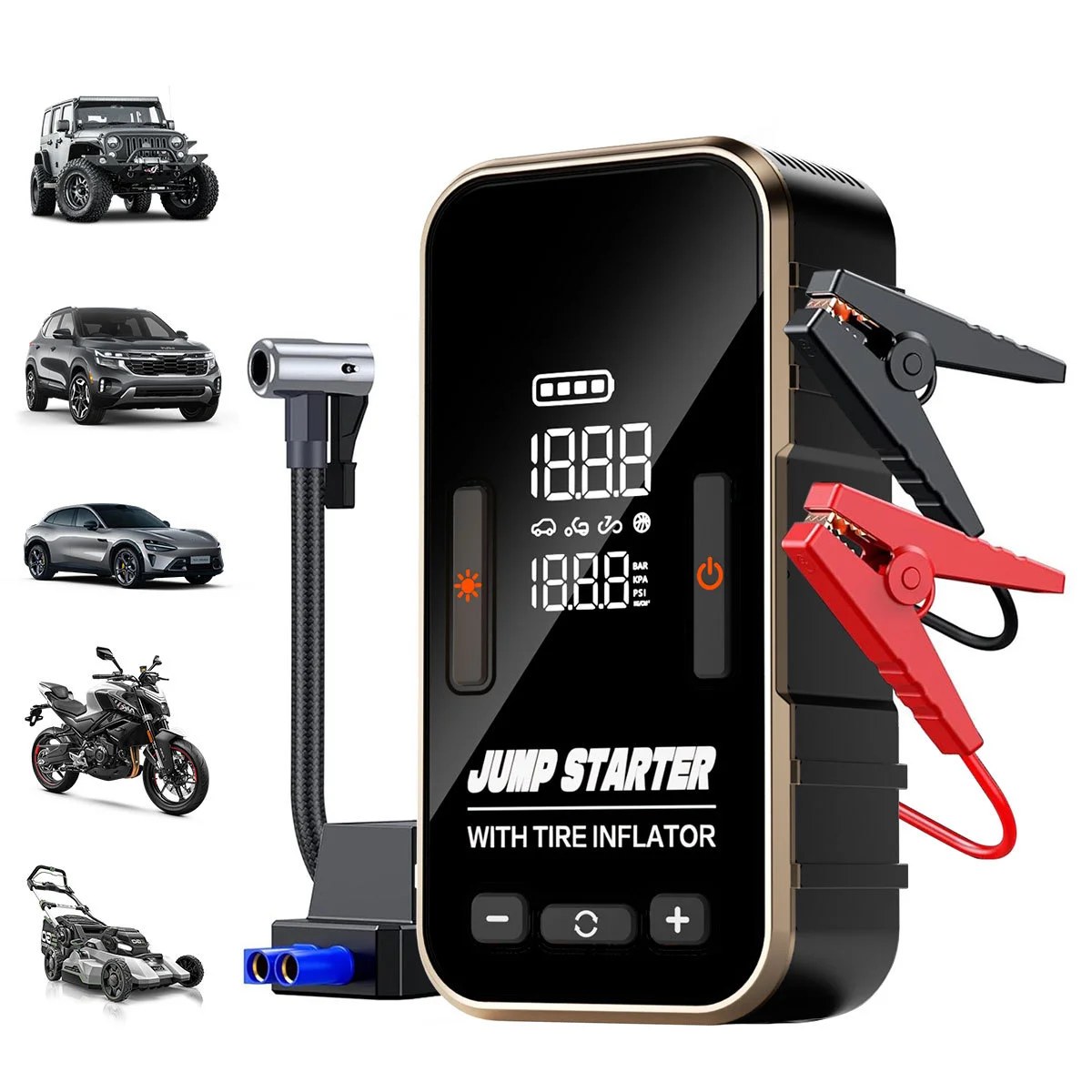
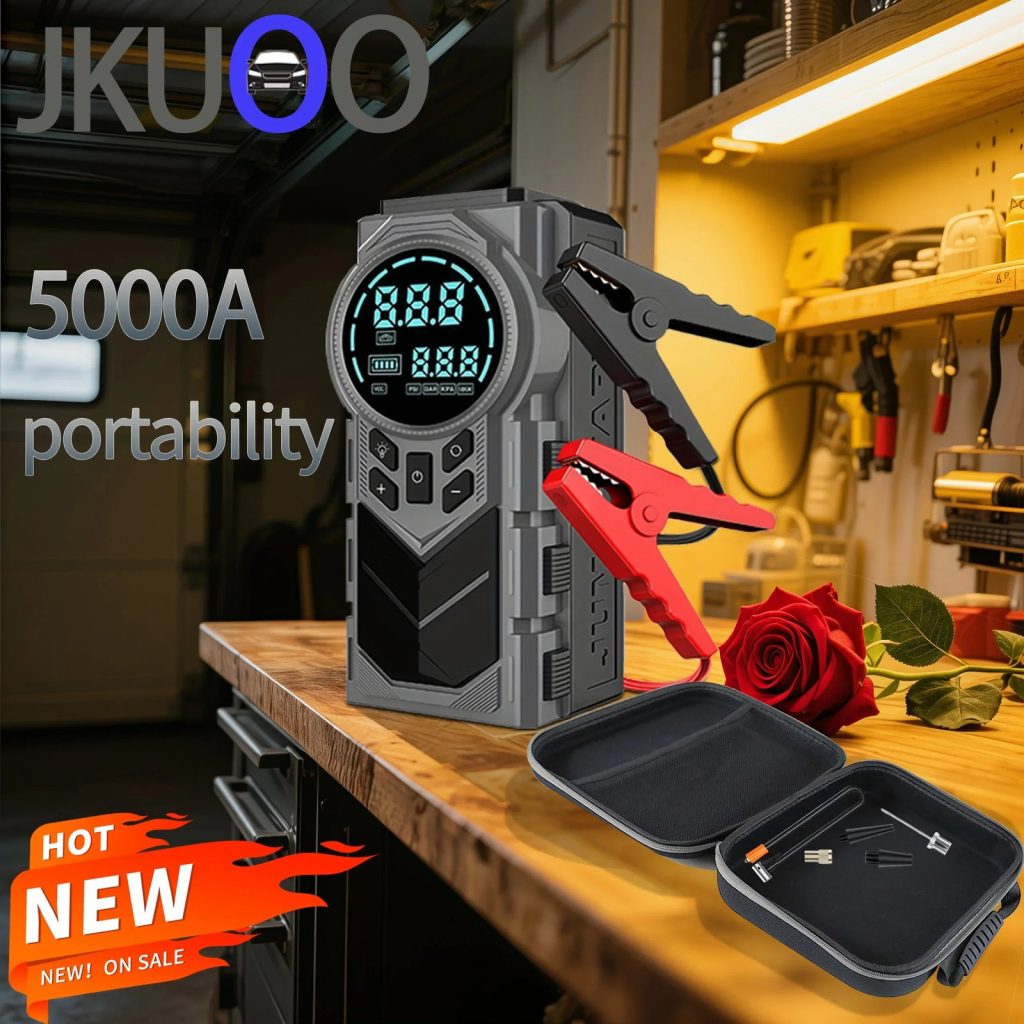
A large share of motorway breakdowns are avoidable: flat batteries, tyre failures from low pressure or worn tread, and running out of fuel. Checking pressures monthly and carrying a jump starter removes two of the three.
Breakdown cover, and what the levels mean
- Roadside: attendance where you break down, usually excluding close to home
- National recovery: transport of vehicle and occupants to a destination
- Home start: covers the driveway, which is where many failures happen
- Onward travel: a hire car or accommodation while repairs happen
Check whether your cover is tied to the vehicle or to you as a driver. Policies tied to a vehicle do not help if you break down in someone else’s car, and vice versa.
Knowing where you are
The single thing that most delays help is a driver who cannot say where they are. Motorway marker posts every hundred metres carry a location number, and quoting it puts a recovery vehicle within metres.
- Read the number from the nearest marker post at the edge of the hard shoulder
- Note the motorway number and direction of travel
- Note the last junction you passed
- If on a smart motorway, note the nearest emergency area number
Do this from behind the barrier, not by walking along the carriageway.
After the recovery
A breakdown caused by a flat battery, a puncture or running out of fuel is usually preventable, and the same failure tends to recur. Treat a recovery as a prompt to deal with the underlying cause rather than a one-off inconvenience.
If the car has been recovered on a flatbed, check tyre pressures and look for any damage to the underside or bumpers before driving it again.
Frequently asked questions
Should I put out a warning triangle on a motorway?
No. Placing one means walking back along the carriageway, which is extremely dangerous. Triangles are for ordinary roads only.
What is a red X on a smart motorway?
It means the lane is closed and you must not drive in it. Driving under a red X is an offence and is enforced by camera.
