
Most winter breakdown advice reads like preparation for an Arctic expedition. In the UK the realistic risks are a flat battery on a cold morning, a puncture in the dark and rain, and being stationary on a motorway for two hours. A kit that covers those three situations is worth having.
The genuinely useful items
- A jump starter, which removes your dependence on a passing stranger
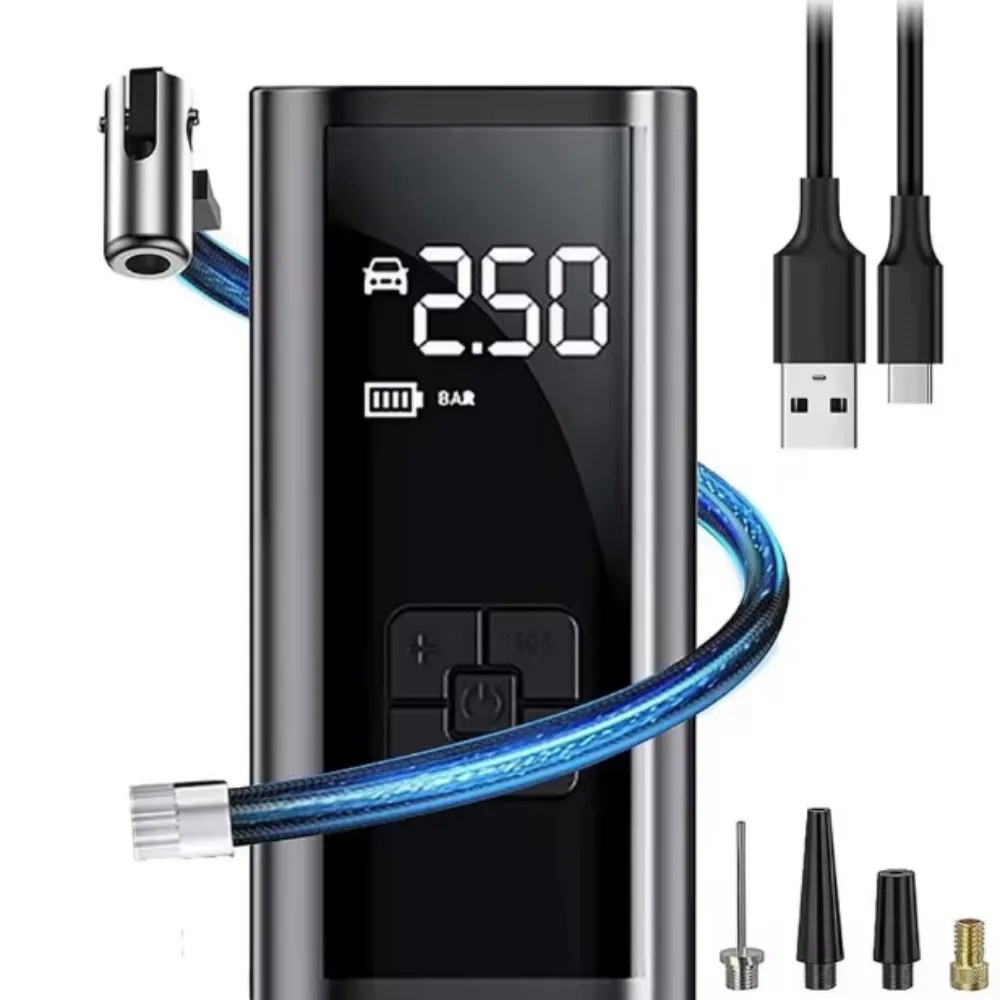
- A tyre inflator, for slow punctures and for checking pressures in the cold
- A torch, ideally not your phone, because you will need the phone
- A hi-vis vest, kept in the cabin rather than the boot
- A warm layer and a blanket
- An ice scraper and de-icer
- A phone power bank or car charger
- A small first aid kit
Why the hi-vis goes in the cabin
If you break down on a motorway, the advice is to leave the vehicle and get behind the barrier. Retrieving a vest from the boot means standing at the most exposed point of the car, on the offside, next to live traffic. Keep it in the door pocket or glovebox so you can put it on before you get out.
Cold weather and batteries
Battery capacity drops significantly as temperature falls, while the engine needs more current to turn over thick cold oil. That combination is why batteries fail in the first cold snap rather than gradually.
A battery more than five years old that is slow to crank in November will very likely fail in January. A jump starter turns that from a ruined morning into a two-minute inconvenience.
Check before you need it
A jump starter left in a boot for a year will be flat when you need it. Charge it every three months. The same goes for a power bank. An emergency device that has not been checked is not an emergency device.
Screenwash, which people get wrong every year
Ready-mixed summer screenwash freezes. When it does, it can split the reservoir, damage the pump and leave you with no way to clear salt spray, which on a motorway means pulling over because you genuinely cannot see.
- Use concentrate mixed for at least minus 15 degrees through winter
- Check the mix in October, not after the first frost
- Never use plain water, which freezes at zero and offers no cleaning
- Keep a spare bottle in the boot; you will use more than you expect
Before a long winter journey
- Check tyre pressures and tread, cold, before setting off
- Check all lights, including brake lights and fogs
- Top up screenwash and check the wipers are not smearing
- Charge your phone and the jump starter
- Check the forecast and the route for closures
- Tell someone your route and expected arrival time
Most of this takes ten minutes and addresses the failures that actually strand people in winter.
If you get stuck in snow
Staying with the vehicle is almost always correct. A car is visible, provides shelter and is far easier for rescuers to find than a person walking.
- Keep the exhaust clear of snow, which is essential to avoid fumes entering the cabin
- Run the engine only intermittently for warmth, roughly ten minutes an hour
- Keep a window slightly open on the sheltered side while the engine runs
- Stay visible: hazard lights, and an interior light on if the battery allows
- Move around periodically to maintain circulation
Frequently asked questions
Is it legal to keep a warning triangle in the car?
Yes, and it is useful on ordinary roads. Do not use one on a motorway, where you should not be walking back along the carriageway to place it.
How cold does it need to be before a battery struggles?
Noticeable loss starts around freezing. At minus ten a healthy battery has substantially less available capacity than at twenty degrees.
