
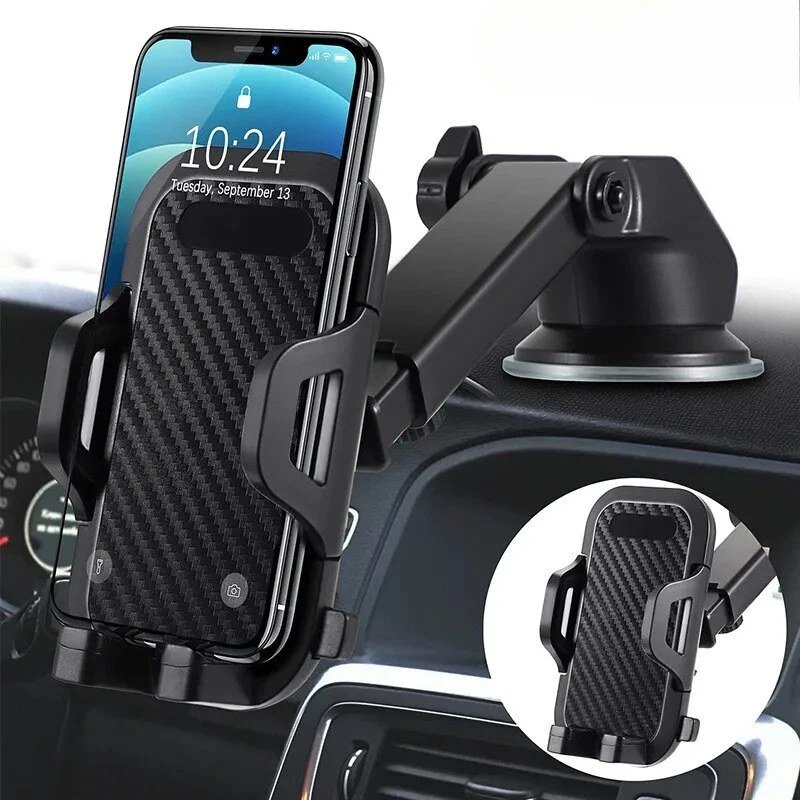
The law on phones in cars is frequently misunderstood, usually in the driver’s favour. It is worth being clear about it, because the penalty is six points and a fine, and for anyone who passed their test within two years that means losing the licence.
What the rules actually say
It is illegal to hold and use a phone or similar device while driving. Since March 2022 that covers effectively any use, not just calls and texts, including taking a photo, scrolling a playlist or unlocking the device.
It also applies when you are stationary in traffic, at lights, or queuing. The engine being on is what matters, not whether the wheels are turning.
Where a mount comes in
Hands-free use is permitted, and a phone in a cradle is the ordinary way to achieve that. The device must be secured in a holder and you must remain in proper control of the vehicle.
Note the second part. Using a mounted phone is not a blanket exemption: if your attention is judged to have lapsed, you can still be prosecuted for careless driving. A mount makes lawful use possible; it does not make any use lawful.

Where to position it
The mount must not obstruct your view of the road. A phone stuck in the middle of the windscreen at eye level is an obstruction and can attract a separate offence.
- Low on the windscreen, in the corner nearest the A-pillar
- On the dashboard, below the line of sight
- In an air vent, which is usually the lowest and least obstructive option
- Never over an airbag cover or in the centre of the screen
The one legitimate exception
You may use a handheld phone to call 999 or 112 in a genuine emergency, where it is unsafe or impractical to stop. That is narrow, and it does not extend to checking directions.
The penalties, and why they matter more for new drivers
The standard penalty is six penalty points and a fine of two hundred pounds, issued as a fixed penalty. If the case goes to court the fine can be substantially higher, and a disqualification is available to magistrates.
For anyone who passed their driving test within the previous two years, six points means the licence is revoked under the New Drivers Act. That means reapplying for a provisional, and passing both the theory and practical tests again. A single offence ends the licence.
Insurance is the longer-term cost. A conviction for this offence is disclosable for several years and typically increases premiums noticeably.
Employers, work vehicles and duty of care
If you drive for work, your employer has legal duties around road risk. Most organisations have a policy prohibiting handheld phone use, and calling an employee who is driving can expose the employer as well as the driver.
If you take work calls in the car, set expectations: hands-free only, and tell callers you are driving so the conversation stays short. A phone call that requires you to take notes is a call to return later.
Practical habits that keep you legal
- Mount the phone and start navigation before you move off
- Set a driving focus mode so notifications do not tempt you
- Use voice control for calls and music rather than touching the screen
- If you must interact, park properly with the engine off
- Never pick the phone up at lights or in a queue
The last point catches out more drivers than any other, because it does not feel like driving.
Frequently asked questions
Can I use my phone as a sat nav?
Yes, provided it is in a mount and you are not holding it. Set the route before you set off.
Is it legal to touch a mounted phone?
A brief touch to accept a call is generally accepted, but extended interaction risks a careless driving charge. Use voice control where you can.
Does this apply if I am stopped in traffic?
Yes. Stationary in a queue with the engine running still counts as driving for this offence.
