
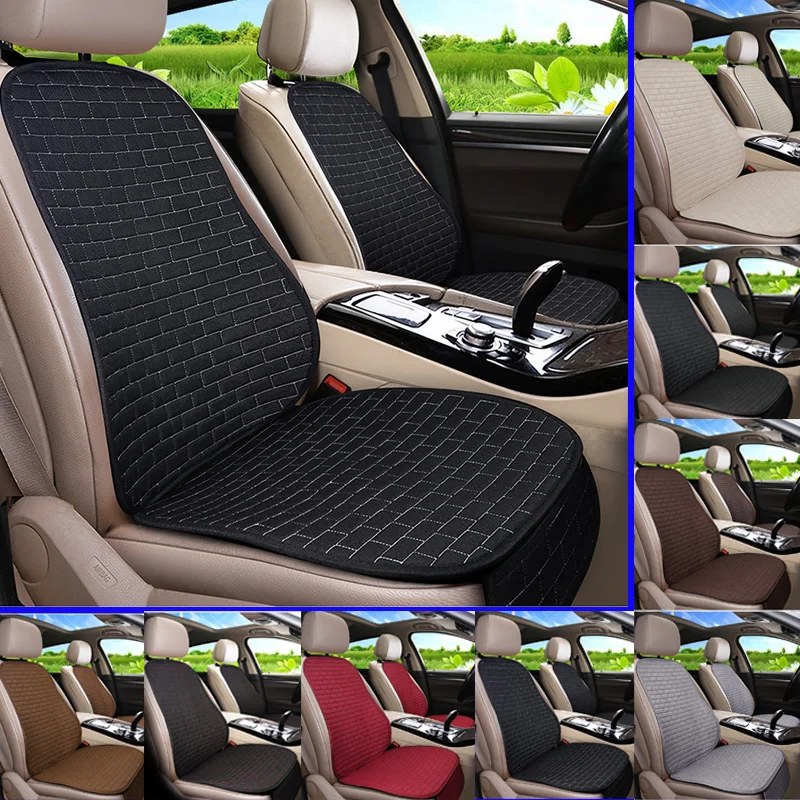
Seat wear is not random. It concentrates in a small number of predictable places, and almost all of it comes from getting in and out rather than from sitting. That makes it unusually preventable.
Where seats actually wear
- The driver’s outer bolster, scuffed by every entry and exit
- The front edge of the seat base, which takes the back of the thighs
- The centre of the base, where sustained pressure flattens the foam
- The upper backrest, from headrest adjustment and coat friction
Rear seats in most cars barely wear at all, which is why a five-year-old car often has pristine rear seats and a tired driver’s seat.
What a cover does and does not do
A cover takes abrasion, spills and UV instead of the seat. That addresses most wear. What it cannot do is prevent foam compression, because your weight still passes through it. A car used for long daily commutes will still see the base foam soften over time.
The honest summary: covers substantially delay cosmetic wear and prevent stains entirely, but they are not a structural fix.
Fit matters more than material
A loose cover is worse than no cover. It slides, bunches under you, and in the worst case interferes with seat controls. Look for covers with proper anchoring, and check that any side airbag in the seat is not obstructed. If the seat has a side airbag, the cover must be compatible with it — this is a safety point, not a comfort one.
The resale argument
Interior condition affects a private sale price more than most owners expect, because it is the first thing a buyer touches. Covers that come off to reveal an unmarked seat present very well. If you plan to keep a car five years or more, the covers cost a fraction of what tired seats knock off the price.
Fitting them so they stay put
A cover that moves is the main reason people take them off again within a month. Most slipping comes from skipping the anchoring stage because it involves reaching under the seat.
- Remove the headrests first; almost every cover needs this
- Work the cover fully into the crease between base and backrest
- Feed the straps through that crease and clip them underneath
- Pull the straps tight in stages, alternating sides
- Refit headrests through the marked openings, not through slits you cut
- Sit in the seat and adjust, then re-tighten after a week of use
The re-tightening step matters. Fabric settles, and a cover that felt tight on day one is usually loose by day seven.
Heated and ventilated seats
A thin cover passes heat through with a delay of a minute or two, which most people find acceptable. A thick padded or sheepskin cover substantially reduces the effect and can make an expensive option feel useless.
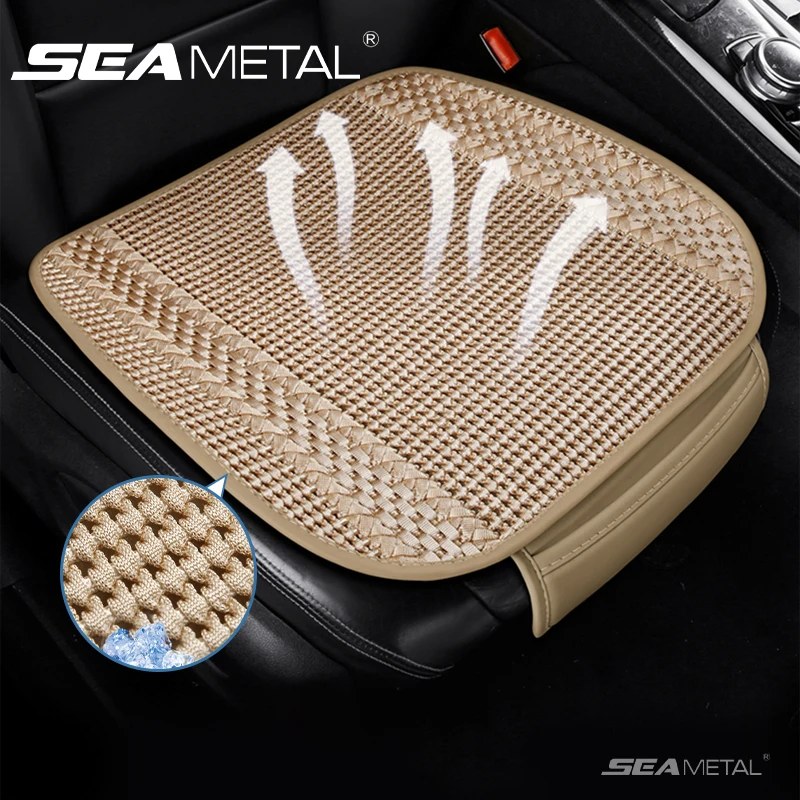
Ventilated seats are the bigger problem: they pull air through perforations, and any non-breathable cover blocks that completely. If your car has ventilated seats, use a mesh or spacer-fabric cover or none at all.
What covers cost versus what they save
A set of covers is a modest outlay against the cost of retrimming a driver’s seat, which on most cars runs into several hundred pounds and on a leather interior considerably more.
The calculation is clearest on cars kept long-term or used for work. A vehicle doing high mileage with multiple drivers will show seat wear within two or three years, and that wear is exactly what a buyer looks at first.
Frequently asked questions
Will seat covers interfere with airbags?
They can, which is why side-airbag compatibility matters. Never fit a cover that wraps a seat with a side airbag unless it is specifically designed with a tear seam for it.
Can I machine wash seat covers?
Many are washable, but check the label. Air dry rather than tumble dry, as heat shrinks the fit.
