
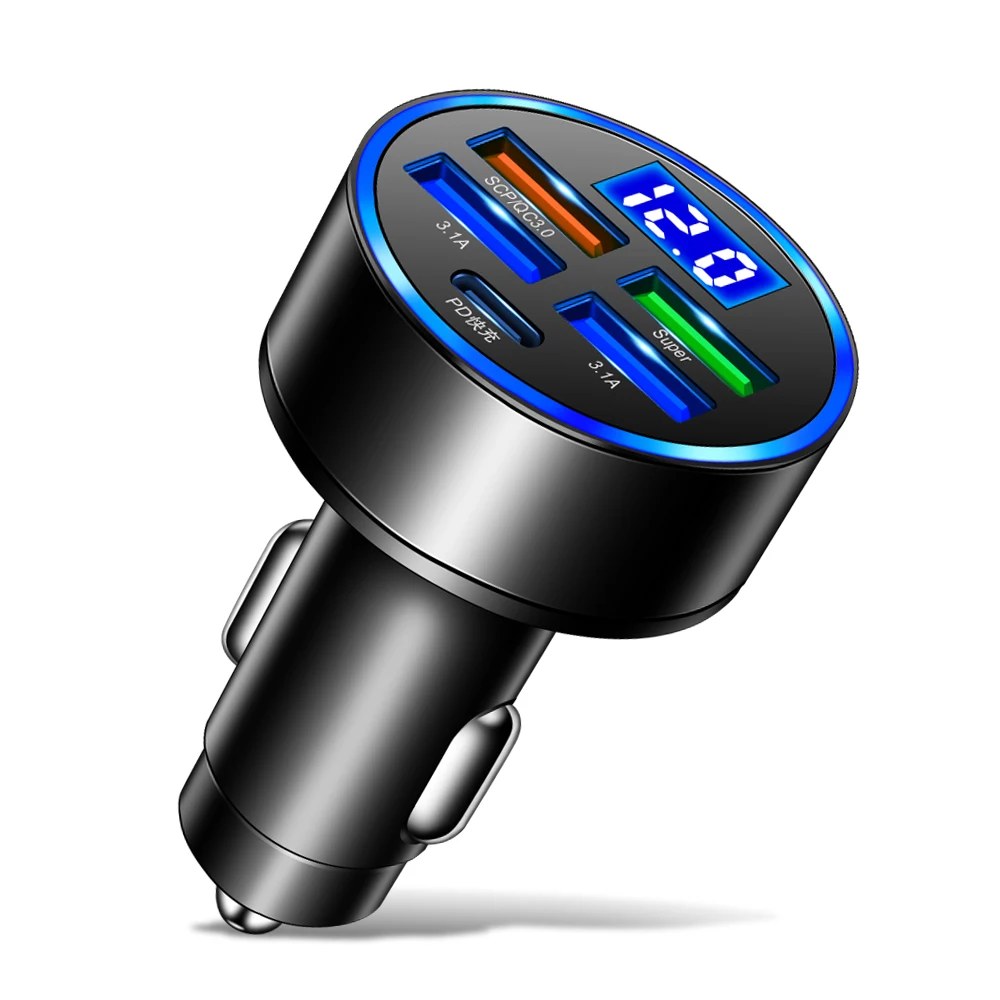
Car chargers are sold on big numbers, and those numbers are often the total across all ports rather than what any single device will receive. That distinction is where most disappointment comes from.
The port types
USB-A is the older rectangular port. Even with Quick Charge it is limited, and many cheap units deliver only 5 to 10 watts.
USB-C is the oval reversible port and is what modern phones, tablets and laptops expect. On its own it means nothing about speed; the protocol matters.
Power Delivery (PD) is the protocol that negotiates higher voltages. This is what allows fast charging, and it is the specification to look for.
Reading the wattage honestly
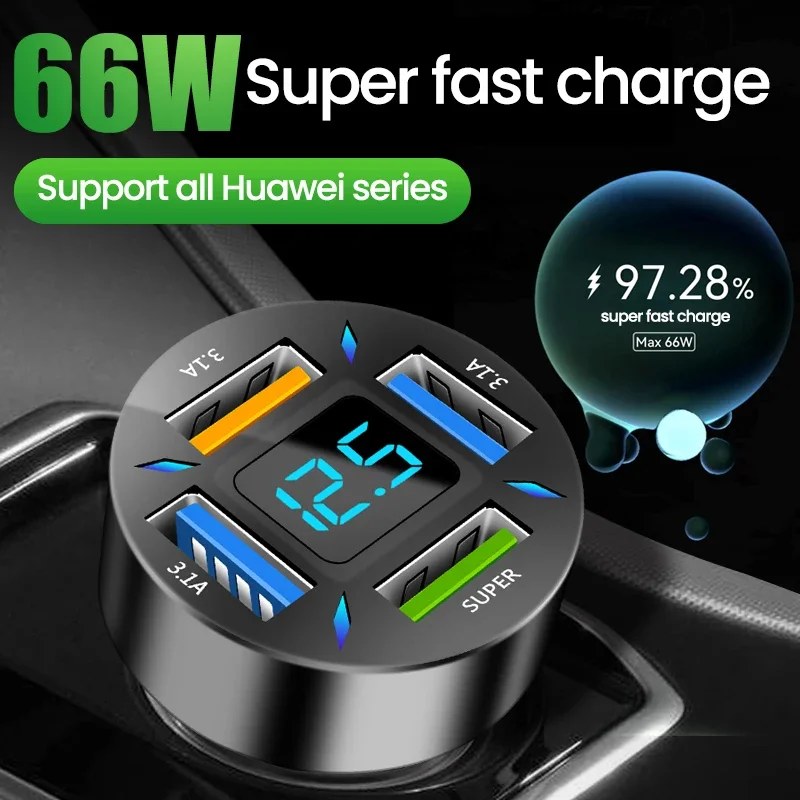
A charger advertised as 65W with three ports may deliver 45W on one port alone, and far less when all three are in use. Look for the per-port breakdown, which reputable manufacturers publish.
- Phone fast charging: 20 to 30W PD on a single port
- Tablet: 30 to 45W
- Laptop: 60W or more, and check the laptop accepts USB-C charging
- Two phones at once: look for at least 20W per port simultaneously
The cable is half the system
A charger cannot exceed what the cable supports. A cheap USB-C cable rated for basic charging will cap the rate regardless of the charger. For anything above 60W the cable needs an e-marker chip. If fast charging is not working, the cable is the first thing to swap.
Safety and the socket
The 12V socket in most cars is fused at 10 to 15 amps, which is ample, but a poor-quality charger can still cause problems. Look for over-current and over-temperature protection, and avoid units that feel warm at idle. A charger that stays in the socket permanently is worth buying properly.
Matching a charger to the car’s socket
The 12V accessory socket is usually fused between 10 and 20 amps, which is ample for any phone charger. The limiting factors are more mundane: whether the socket is switched with the ignition, and how well the plug fits.
- Switched sockets cut power with the ignition, which prevents battery drain
- Permanently live sockets are convenient but will drain a battery over weeks
- A loose socket causes intermittent charging and can overheat the contacts
- Older cars may have a cigarette lighter socket with a slightly different depth
If a charger gets hot or the connection flickers as you go over bumps, stop using it. A poor contact in a 12V socket generates heat at the contact point and is a genuine fire risk.
Charging more than one device
Two phones, or a phone and a tablet, need a charger that can deliver meaningful power to both at once. Many multi-port chargers split their total output, so a 45W unit may give 30W to one port and 15W to the other, or drop both to 20W.
For families, look for a charger that specifies simultaneous output per port rather than a single headline figure, and prefer two USB-C PD ports over a mix of USB-C and USB-A.
Built-in car USB ports are usually slow
Factory USB ports in most cars up to recent model years are designed for data, not charging. Many deliver 0.5 to 1 amp, which is enough to slow a phone’s discharge but not to charge it meaningfully while navigating.
If your car’s built-in port seems not to charge, it is almost certainly working as designed. A separate charger in the 12V socket is the fix, and it is worth keeping the factory port for CarPlay or Android Auto data.
Frequently asked questions
Will a fast charger damage my phone?
No. The phone and charger negotiate a safe rate, and the phone will only draw what it supports.
Can I leave a charger plugged in all the time?
In most modern cars the socket is switched with the ignition. If yours is permanently live, a cheap charger can slowly drain the battery over weeks.
