
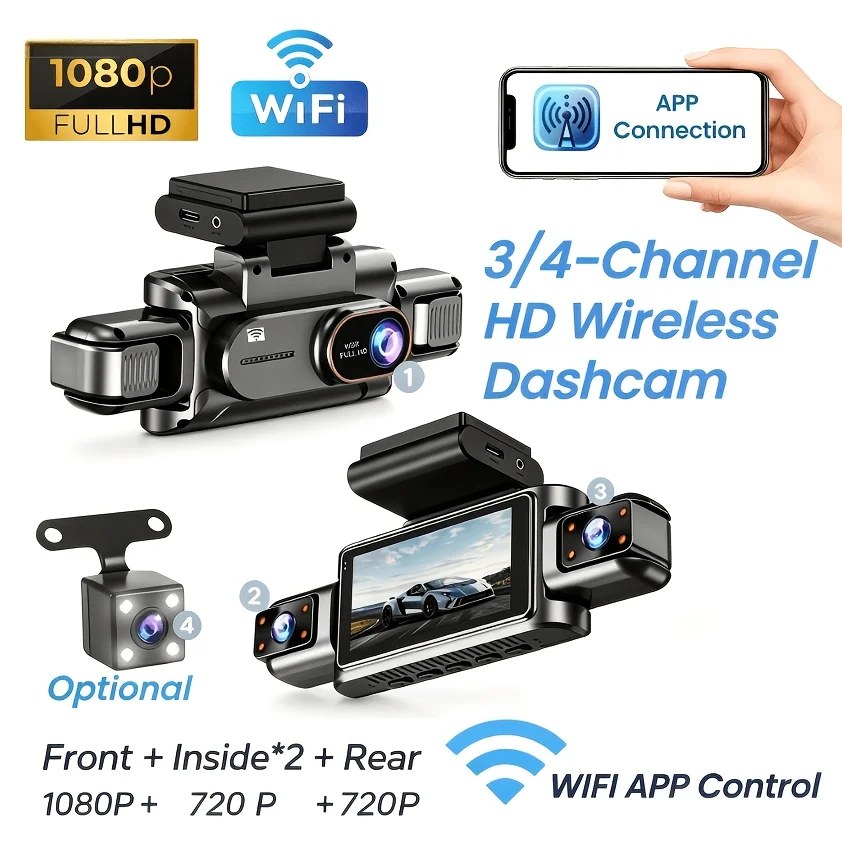
A dash cam records continuously and overwrites the oldest footage. After an incident, the single most important thing is to stop that happening before the relevant file is lost.
First, at the scene
- Stop, and make sure everyone is safe
- Press the manual save or lock button on the camera if it has one
- If unsure, switch the camera off so it cannot overwrite
- Exchange details as required by law
- Photograph the scene, damage and road position
The G-sensor should lock the file automatically on impact, but sensitivity varies and a low-speed knock may not trigger it. Do not rely on it.
Afterwards
Remove the card and copy the file to a computer and a second location before doing anything else. Keep the original file rather than a re-encoded copy; insurers and police prefer unedited originals with intact metadata.
Note the exact time of the incident, which makes finding the file straightforward.

Submitting to police or insurer
Most UK forces accept footage via the national dash cam portal. Submit promptly, as there are time limits for prosecuting some offences.
For an insurance claim, tell your insurer you have footage at the point you report it. It frequently resolves disputed liability without argument.
What not to do
- Do not edit, trim or add commentary to the original file
- Do not post it publicly while a claim is live
- Do not delete anything, even if it seems unhelpful
- Do not approach the other driver with the footage
Your legal obligations at the scene
Separate from anything to do with the camera, the law requires certain things after a collision involving injury or damage to another person’s property or vehicle.
- Stop, and stay at the scene for a reasonable period
- Give your name, address and vehicle registration to anyone with reasonable grounds to ask
- If you do not exchange details at the scene, report it to the police within 24 hours
- Report to the police immediately if anyone is injured
Failing to stop or report is a serious offence in its own right, entirely independent of who caused the collision.
What else to gather
- Photographs of both vehicles, including the wider scene showing positions
- The other vehicle’s registration, make, model and colour
- The other driver’s name, address and insurer if they will give it
- Names and contact details of any independent witnesses
- Road conditions, weather, lighting and any road markings or signs
Footage shows what happened; it rarely shows the other driver’s details or the wider road layout, so photographs remain important.
Backing up properly
Copy the original file to at least two places before touching anything else: a computer and cloud storage, or two separate drives. Memory cards fail, and a card left in a camera continues to be at risk of being overwritten if the camera is switched on again by accident.
Keep the file in its original format with metadata intact. Re-encoding through a video editor or messaging app strips timestamps and compresses the image, which reduces its evidential value.
Frequently asked questions
How long do I have to report footage to the police?
Submit as soon as you can. Some offences have a six-month limit from the date of the incident, so delay can remove the option entirely.
What if my footage shows I was partly at fault?
Disclose it anyway. Withholding evidence causes far bigger problems than a shared-liability finding.
