
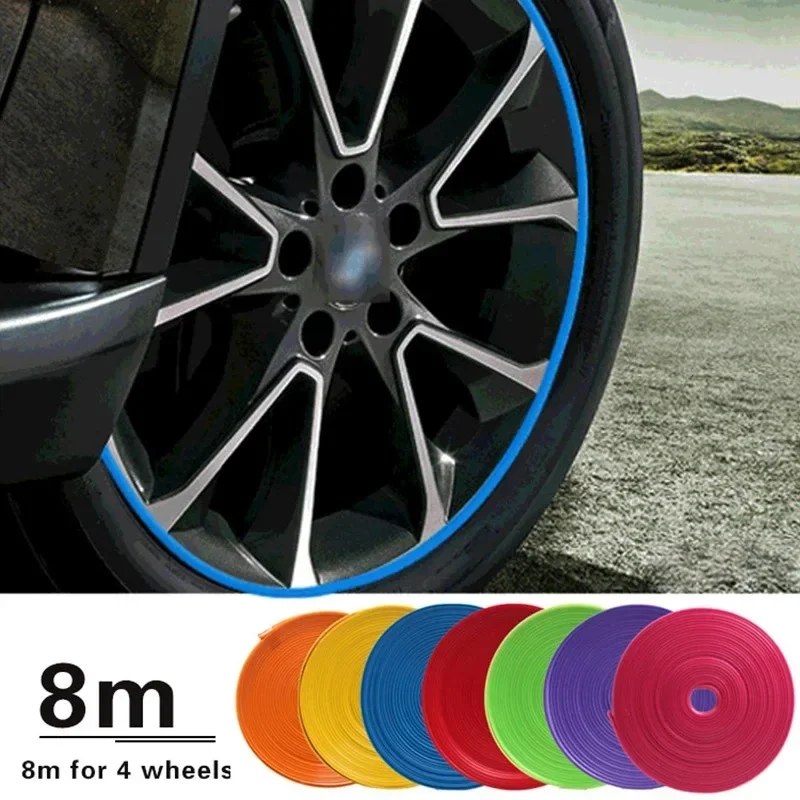
Self-adhesive trim, moulding strips and protective edging fail for predictable reasons. The adhesive is rarely the problem; the surface it was stuck to usually is.
Temperature is the biggest factor
Automotive adhesive tape needs warmth to bond. Below about 15 degrees it will not form a proper bond and the trim will lift within weeks. A cold garage in February is the worst possible place to do this job.
Work on a warm day, or warm the panel and the trim gently first. Aim for panel temperature around 20 degrees or above.
Preparation
- Wash the area thoroughly and dry it
- Remove all wax, sealant and polish residue with an alcohol wipe or panel prep
- Let the surface dry completely
- Dry-fit the trim and mark the position with low-tack masking tape
- Peel the backing progressively as you apply, rather than all at once
- Press firmly along the full length for several seconds
The wax removal step is the one people skip, and it is the reason most trim falls off. Adhesive cannot bond through polish.
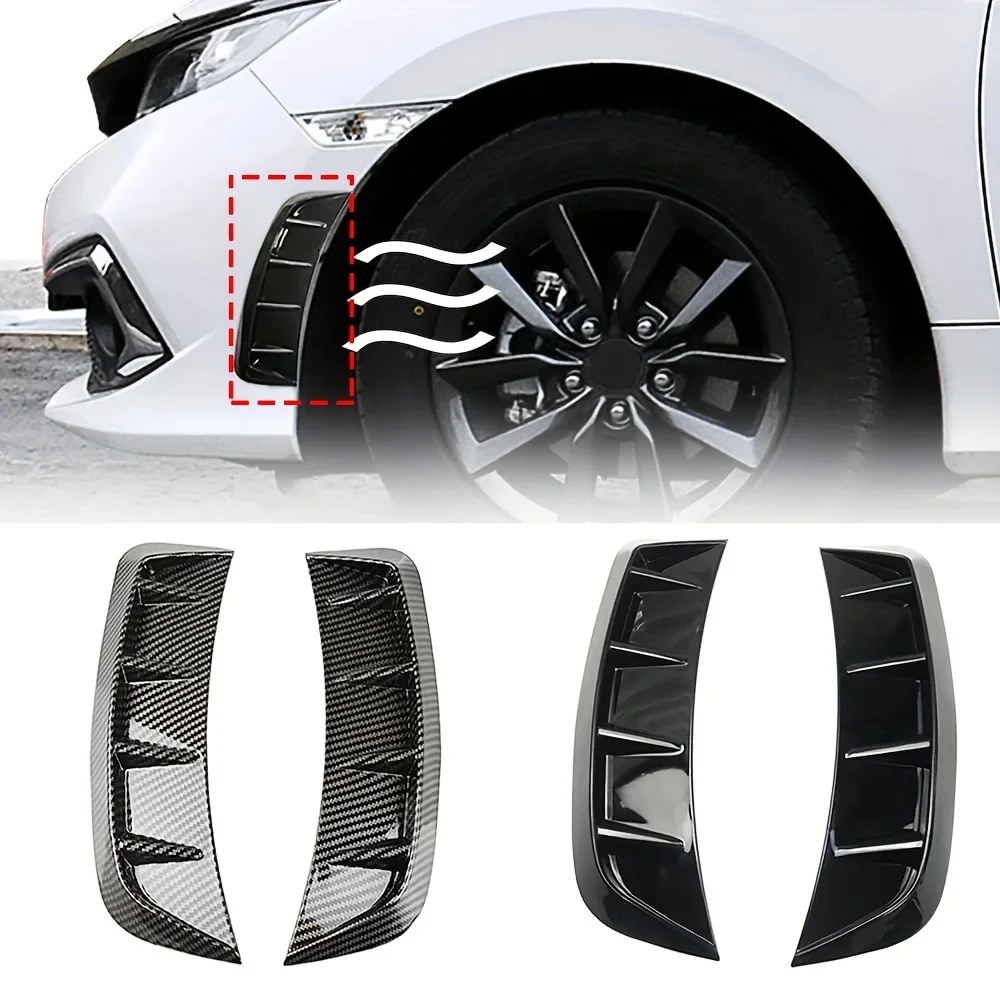
After fitting
Leave it 24 hours before washing the car, and avoid a pressure washer near the edges for a week. Adhesive reaches full strength over roughly 72 hours.
Things worth knowing first
- Adhesive trim on paint is effectively permanent; removal can lift lacquer on older cars
- Trim over a damaged area traps moisture and accelerates corrosion
- Check MOT implications for anything that changes lighting or obscures plates
- Cheap trim fades and goes chalky within a couple of British summers
Choosing trim that lasts a British year
Cheap exterior trim fails in two ways: the adhesive lets go, and the material itself degrades. UV and repeated freeze-thaw cycles are hard on plastics and on the foam tape used to mount them.
- Look for genuine automotive-grade acrylic foam tape, not generic double-sided tape
- Check the material is UV stabilised; unstabilised plastic goes chalky in one summer
- Avoid chrome-effect vinyl over plastic, which lifts and peels at the edges
- Rubber trim should be flexible, not stiff, when you receive it
Working around curves and corners
Most failures are at the tightest curve, because the strip is stretched there and constantly trying to return to straight.
- Warm the strip gently before forming it round a curve
- Ease it into shape and let it cool in position before applying adhesive
- Never pull a strip tight around a corner to make it fit
- Cut a mitre rather than bending a strip through a sharp angle
- Hold curved sections with masking tape for the first 24 hours
Legal and MOT considerations
Exterior additions can affect an MOT if they obscure lights or the number plate, create a sharp edge, or are insecure. Number plate surrounds that obscure any part of the characters or the BS mark are an offence.
Anything protruding that could injure a pedestrian is also a potential issue. In practice, modest moulding strips and edge protectors are fine; large spoilers, bull bars and sharp-edged additions are where problems arise.
Frequently asked questions
How do I remove old adhesive trim?
Warm it with a hairdryer, pull slowly at a shallow angle, then remove residue with a proper adhesive remover. Never scrape it with a blade.
Will trim damage the paint underneath?
On sound modern paint, usually not. On older or resprayed paint there is a real risk of lifting lacquer during removal.
