
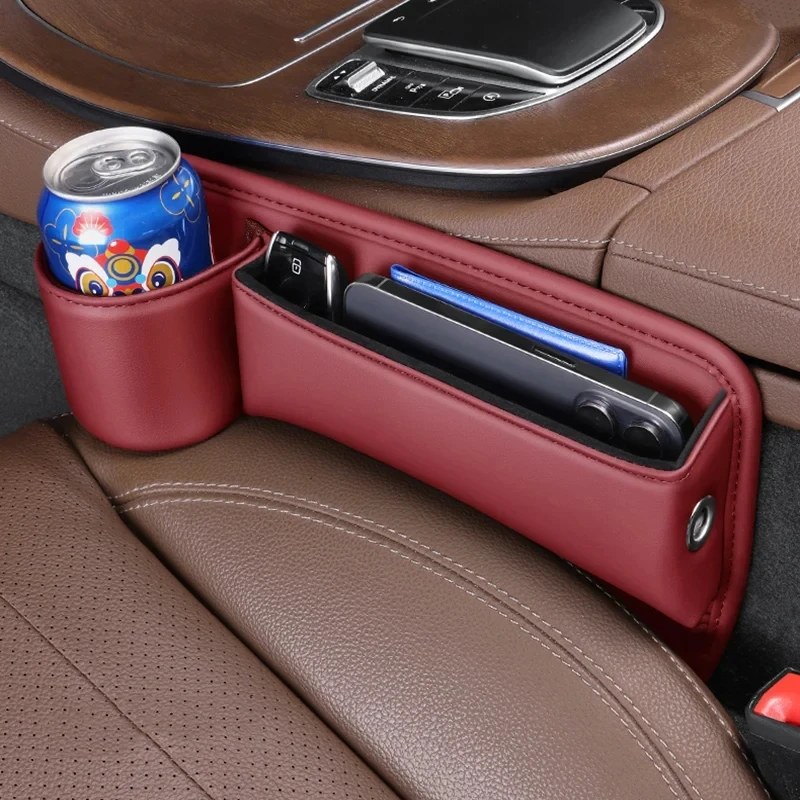
Cars used for work accumulate a specific kind of clutter: paperwork, tools, samples, spare clothing, chargers, food. The difference between a workable vehicle and a chaotic one is having designated places rather than periodically clearing it out.
Zone the car
- Cabin, within reach: phone, charger, parking payment, pen, hi-vis
- Glovebox: documents, manual, torch, tissues
- Rear footwell or seat: bag, laptop, anything needed at each stop
- Boot, front section: daily equipment
- Boot, rear section: emergency kit, spare clothing, things rarely needed
The principle is that frequency of use determines distance from the driver’s seat.
Contain everything
Loose items migrate. A crate or organiser in the boot and a small pouch in the door bin stop the slow spread into every surface. Anything without a home ends up on the passenger seat, which is how a work car becomes unusable for passengers.
Weight and safety
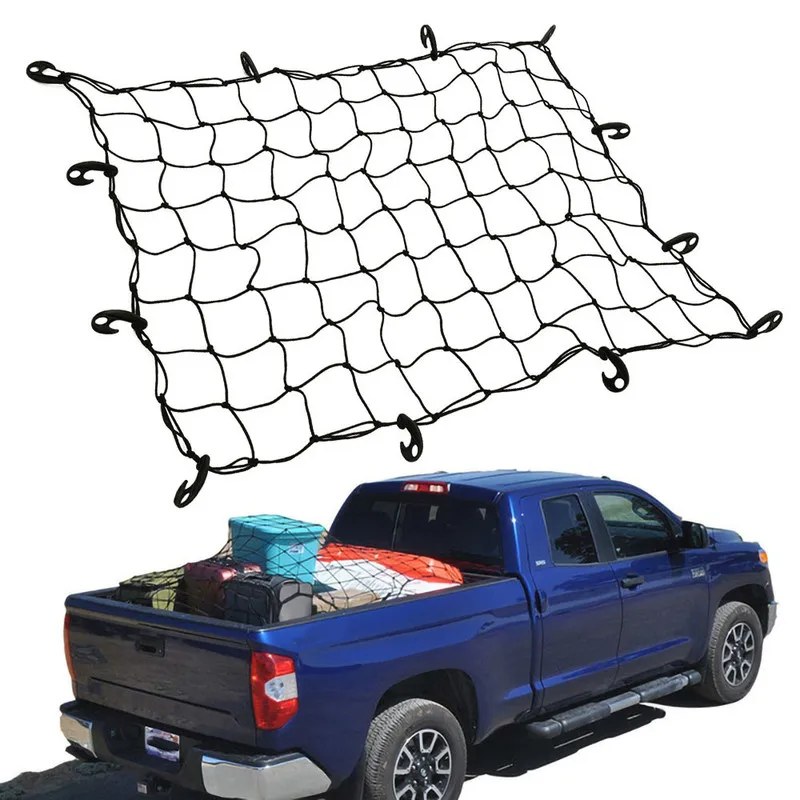
Tools and equipment are heavy, and heavy items loose in a boot are dangerous in a collision. Secure them, and keep the heaviest low and forward. Never store anything heavy on a parcel shelf or a rear seat without restraint.
A weekly reset
Five minutes at the end of the week: rubbish out, everything back to its zone, charge the power bank and the jump starter. That is considerably less effort than a monthly excavation, and the car is usable every day in between.
Documents and what to keep in the car
Keep copies rather than originals where possible. A stolen car containing your V5C, insurance documents and address details is considerably worse than a stolen car.
- Never keep the V5C in the vehicle
- Insurance and breakdown details: a photo on your phone is enough
- Keep the service book at home, not in the glovebox
- A note of your VIN and registration is useful if the car is stolen
Security
- Leave nothing visible, including cables, which suggest a device nearby
- Take sat navs and mounts down, or at least remove the suction ring mark from the screen
- Do not leave tools in the car overnight; van tool theft is endemic
- Park under lighting or cameras where possible
- Consider a steering lock, which is a visible deterrent
Keyless entry cars are worth a particular mention: keep the fob in a signal-blocking pouch at home, as relay theft from a hallway is now one of the commonest methods.
Fatigue on long journeys
Organisation helps with fatigue more than it sounds, because hunting for things while driving is a distraction and a stressor.
- Water within reach, because mild dehydration increases tiredness
- Snacks accessible without turning round
- Route and stops planned before setting off
- Break every two hours, minimum fifteen minutes
- If you feel sleepy, stop; opening a window does not work
Frequently asked questions
Is it safe to keep tools in the cabin?
Heavy tools should be in the boot or a secured box. Anything loose in the cabin becomes a projectile in a crash.
Does a full boot affect fuel economy?
Marginally. Carrying an unnecessary 50kg permanently has a small but measurable effect over a year.
