
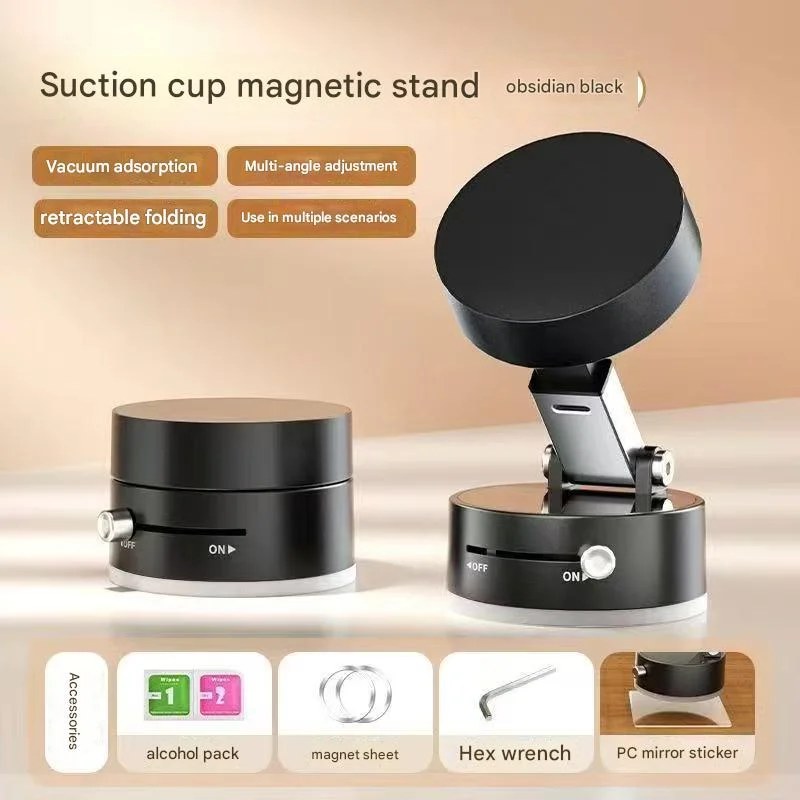
Phone mounts split into two families: magnetic holders that grip a plate or magnet ring, and mechanical cradles with arms that clamp the phone. They fail in different ways, which is the useful thing to know.
Magnetic mounts
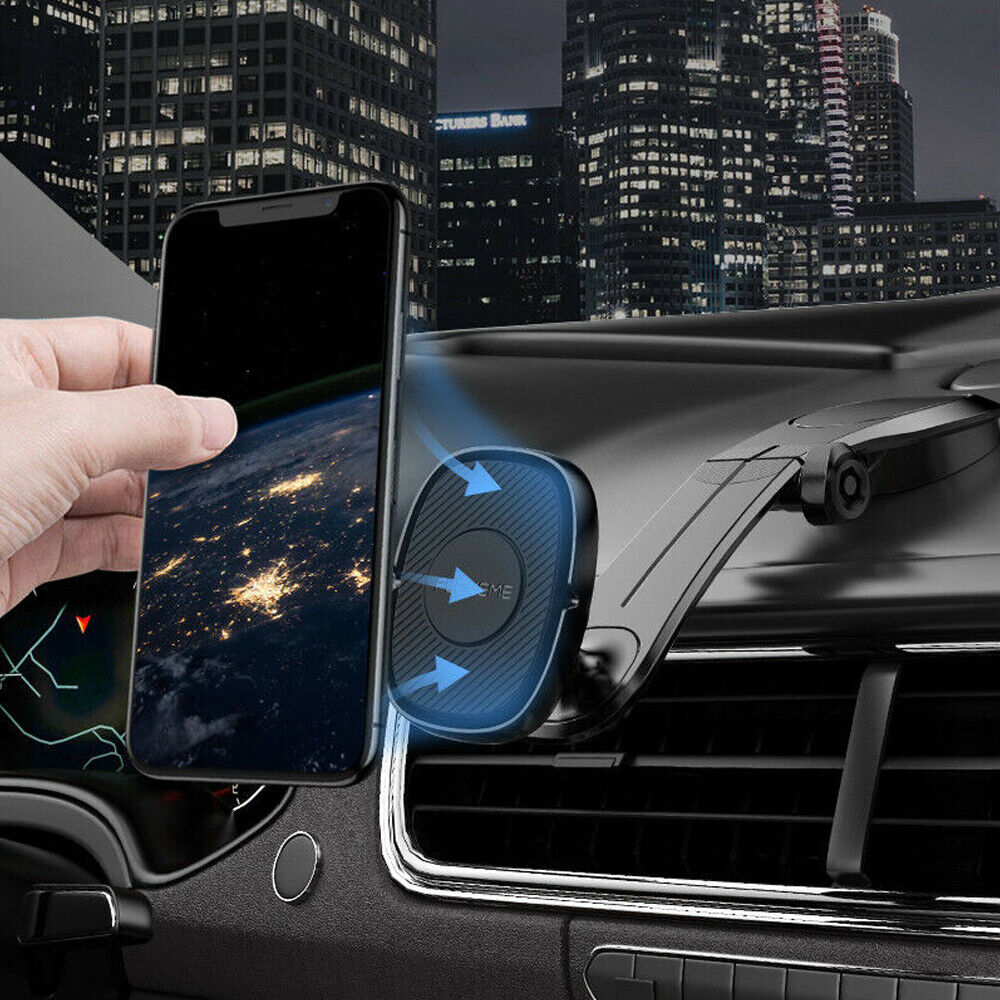
Fast, one-handed and tidy. You place the phone and it holds; you take it and it releases. For a driver who mounts and unmounts several times a day, nothing else comes close for convenience.
The catch is that grip depends entirely on the magnetic connection. A thick case, a wallet case or a case without a built-in magnet ring will weaken it substantially, and a heavy modern phone on a rough road can break away.
Mechanical cradles
Arms hold the phone physically, so grip does not depend on the case at all. On poor road surfaces, or with a large phone in a heavy case, a cradle is significantly more secure.
The cost is convenience: two hands to insert, and the arms can cover side buttons or a charging port depending on the design.
Choosing by situation
- Frequent in and out, modern phone with a magnet ring: magnetic
- Thick or wallet case: cradle
- Rough roads, potholes, rural lanes: cradle
- Wireless charging wanted: magnetic, with proper alignment
- Shared car, different phones: cradle
Mounting point matters more than the mount
A good mount on a poor surface will fail. Suction cups need clean, smooth glass and lose grip in cold weather; check them in winter. Vent mounts depend on the slat being sturdy, and thin horizontal slats flex. Adhesive dashboard pads are the most stable but are effectively permanent.
Mount locations compared
- Air vent: low, out of your sightline, easy to fit. Blocks one vent and can sag on thin slats.
- Windscreen suction: adjustable and removable, but must be positioned low to stay legal, and cold weather affects grip.
- Dashboard adhesive: the most stable by a margin, but effectively permanent and can mark the surface.
- CD slot: very stable on older cars, uses an otherwise dead space.
- Cup holder: stable and legal, but often too low to glance at safely.
Heat, and why summer kills phone mounts
A windscreen mount puts your phone in the hottest part of the car, in direct sun, behind glass. Phones throttle performance and charging when hot, and navigation plus charging plus sunlight is the combination most likely to trigger it.
Adhesive pads also soften in heat, which is why a dashboard mount that has been solid all winter can let go on the first properly hot day. If you use adhesive, fit it in warm conditions so it cures properly, and check it each spring.
A vent mount with the air conditioning running is the coolest place for a phone in summer, which is a practical argument for it over a windscreen position.
Fitting a mount so it does not fail
- Clean the surface with an alcohol wipe, removing all dressing and polish
- For suction, warm the cup slightly and press firmly for several seconds
- For adhesive, fit above 20 degrees and leave 24 hours before loading it
- For vent mounts, choose a sturdy slat and check it still adjusts
- Test with the phone in place before relying on it
- Re-check suction mounts monthly, and at the start of winter
Frequently asked questions
Do magnetic mounts damage phones?
No. Modern phones are not affected by these magnets, and nothing in them is stored magnetically. Keep bank cards away from the magnet, though.
Why does my suction mount fall off in winter?
Cold makes the suction cup material stiff and the glass contracts. Warm the cup in your hands before fitting and re-seat it when temperatures drop.
