
Both will start a car with a flat battery. The difference is what else has to be true for them to work, and that difference matters more than the price gap.
The problem with jump leads
Jump leads need a second vehicle, a willing driver, and the two cars parked close enough for the leads to reach, nose to nose. In a supermarket car park with cars parked side by side in bays, that last condition is often impossible.
They also need someone who knows the correct connection order. Getting it wrong risks damaging sensitive electronics on modern cars, and plenty of drivers are understandably reluctant to offer their car.
What a jump starter changes
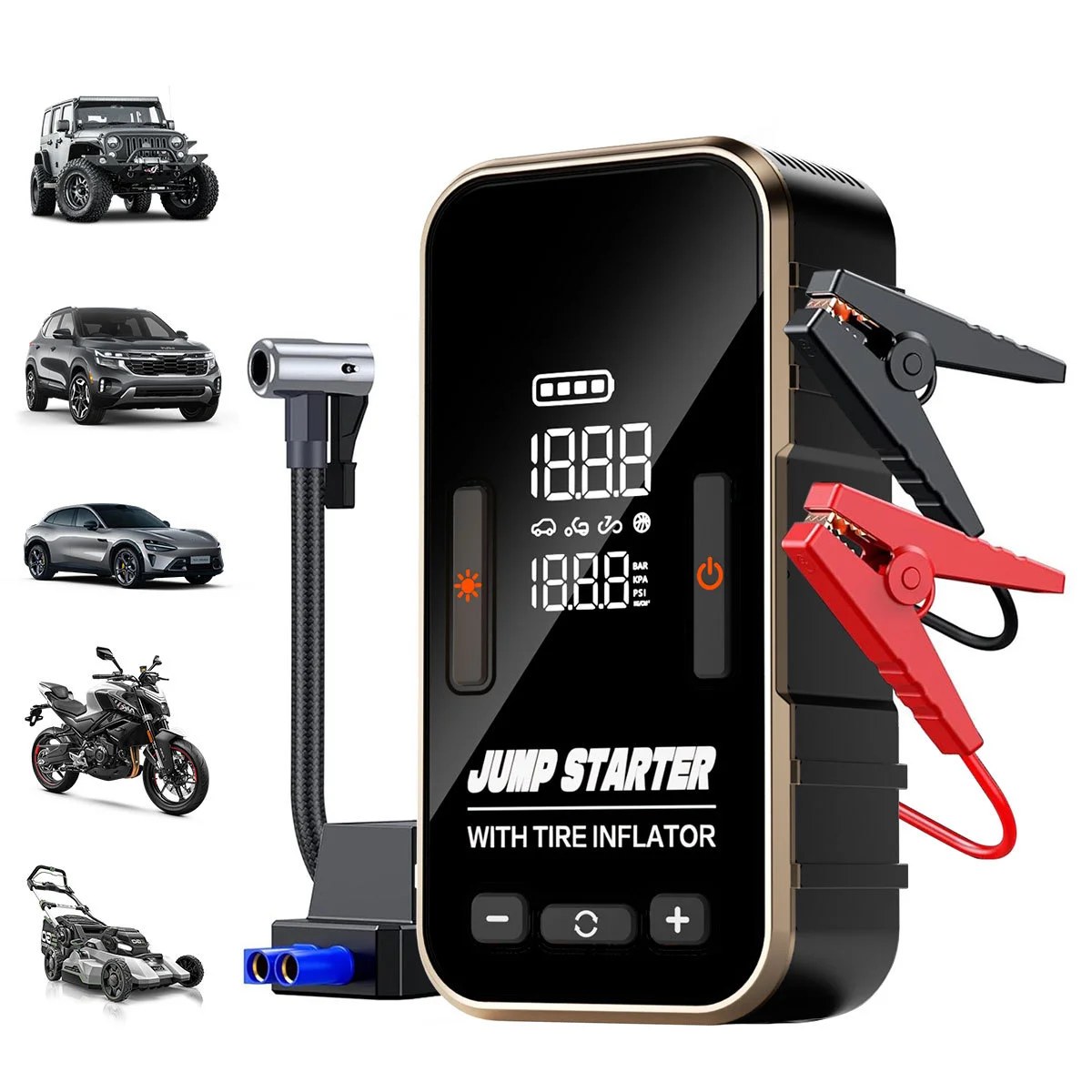
A lithium jump starter is self-contained. You connect it to your own battery and start the car. No second vehicle, no stranger, no reaching across two bays. That independence is the entire value.
Most also work as a power bank and have a torch, which makes them genuinely useful rather than a single-purpose item that lives in the boot.

Choosing one
- Match peak current to your engine. Small petrol engines need far less than a large diesel.
- Look for reverse-polarity and short-circuit protection, which is standard on reputable units and essential.
- Consider capacity if you want it to double as a phone power bank.
- Check it holds charge; cheap cells self-discharge quickly.
Using one safely
- Turn off the ignition and all electrical loads
- Connect red to the positive terminal
- Connect black to an unpainted metal earth point, not the negative terminal, if the manufacturer advises it
- Switch the unit on and wait for the ready indicator
- Start the engine, then disconnect in reverse order
- Drive for at least twenty minutes to put charge back
Why batteries fail, and spotting it early
Most car batteries last four to six years. In the UK the combination of short journeys, high electrical loads and cold winters shortens that, because a battery that never gets a long run is never fully recharged.
- Slow or laboured cranking, especially when cold
- Headlights noticeably dimming while starting
- Needing a jump more than once
- Dashboard electrics behaving oddly after standing
- A battery over five years old, regardless of symptoms
A battery that has already been flat once is more likely to fail again, because deep discharge causes permanent capacity loss.
Stop-start and AGM batteries
Cars with stop-start use AGM or EFB batteries, which are more expensive and are not interchangeable with a standard lead-acid unit. Fitting the wrong type causes early failure and can upset the charging system.
They can be jump started normally, but if you replace one yourself many cars require the new battery to be registered with the charging system using a diagnostic tool. Skipping that step results in chronic undercharging and a short life.
Looking after a jump starter
- Charge it fully before first use
- Top it up every three months even if unused
- Do not store it fully discharged, which damages lithium cells
- Avoid leaving it in a car through a hot summer or a hard frost
- Check the clamps for corrosion occasionally
A unit stored in a cold boot all winter will have noticeably less available power on the morning you need it, which is an argument for keeping it indoors between trips.
Frequently asked questions
Will a jump start fix my battery?
No. It gets you going. If the battery is failing it will be flat again, so treat a jump start as a diagnosis rather than a repair.
Can a jump starter damage my car?
A reputable unit with reverse-polarity protection is very safe. The risk comes from cheap units without protection and from connecting incorrectly.
