
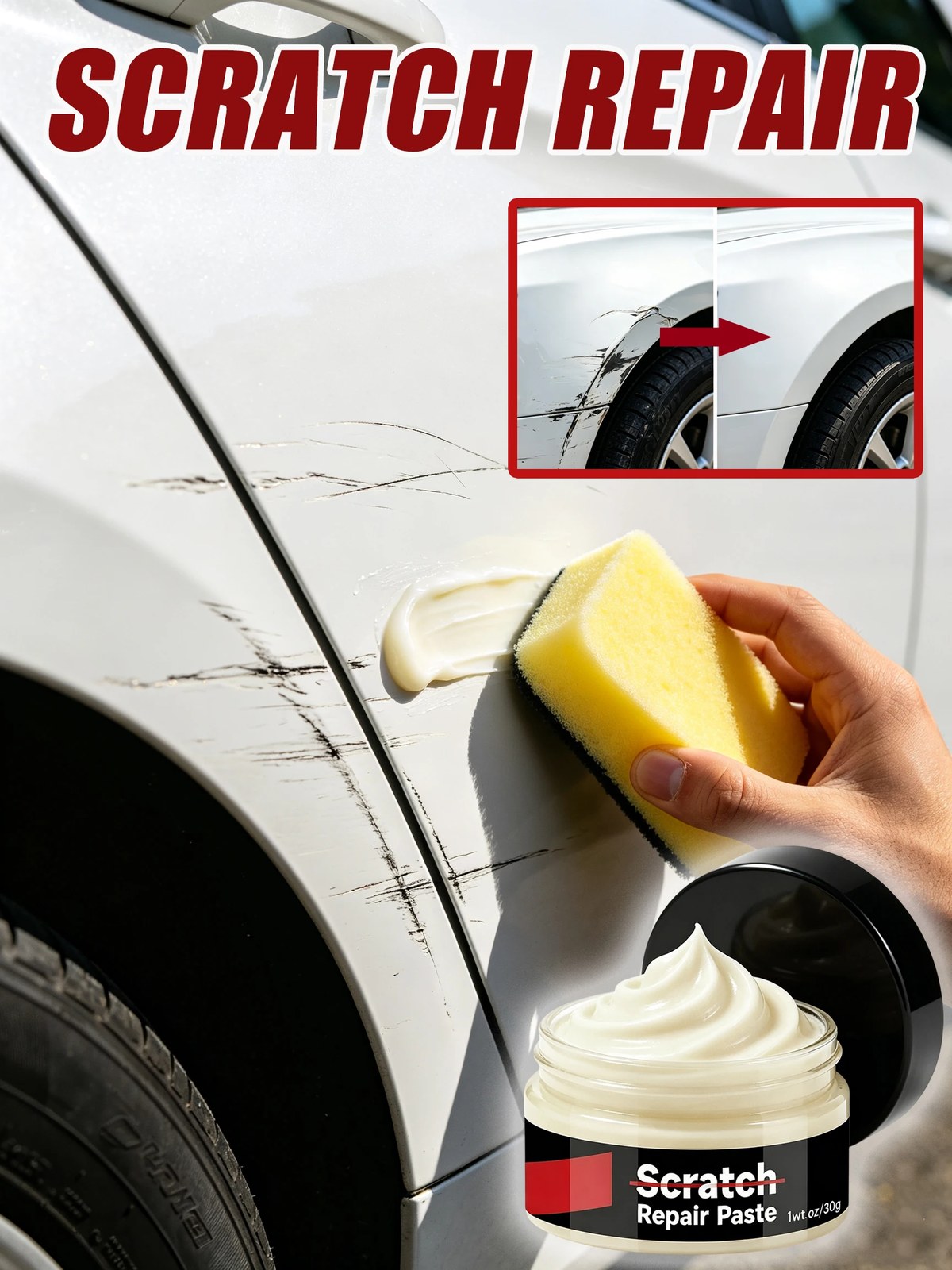
Not every scratch can be polished out, and attempting the wrong one makes things worse. The first job is working out how deep it goes, which takes about five seconds.
The fingernail test
Run a fingernail lightly across the scratch. If it glides over without catching, the damage is in the clear coat and polishing will very likely remove it. If your nail catches in the groove, it has gone through the clear coat into the colour or primer, and polishing will not fill it.
Deep scratches need touch-up paint or a body shop. Polishing them only thins the surrounding clear coat.
Wash first, always
Polishing a dirty panel drags grit across the paint and creates a web of new fine scratches. Wash thoroughly and dry before you start. If the paint feels rough after washing, use a clay bar to lift bonded contamination, otherwise that grit ends up under your polishing pad.
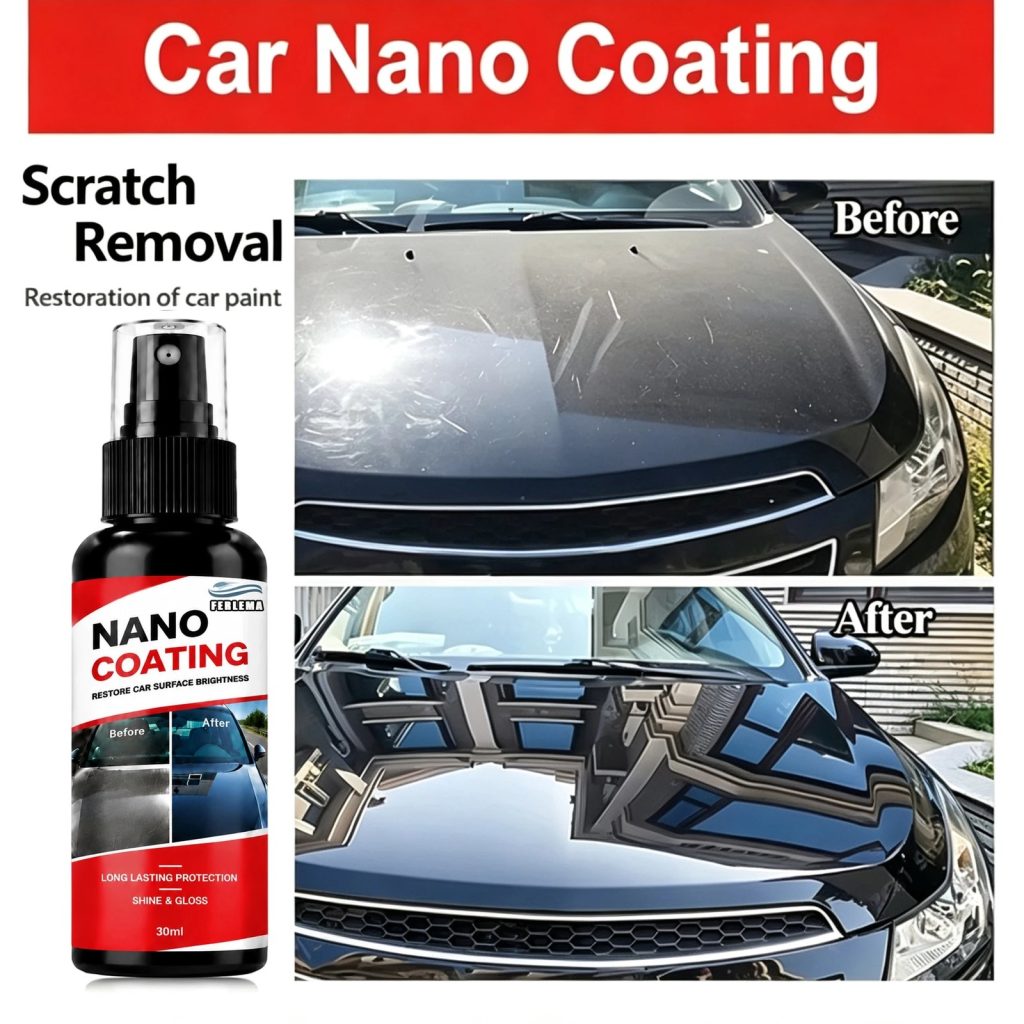
Working the scratch out
- Work in shade on a cool panel. Product dries too fast in sun and on hot paint.
- Apply a small amount of polishing compound to a clean applicator
- Work a small area, roughly 30cm square, with firm overlapping passes
- Wipe off with a clean microfibre and inspect in good light
- Repeat if it has improved but not gone; stop if two passes change nothing
- Finish with a protective wax or sealant, because polishing removes existing protection
Knowing when to stop
Clear coat is typically well under a tenth of a millimetre thick, and every polish removes a little. Repeatedly attacking one scratch will eventually burn through to the colour, which is a far more expensive problem than the scratch.
Two careful attempts is a sensible limit. If it is still visible, live with it or get it assessed.
Protect afterwards
Freshly polished paint has no protection on it. A wax, sealant or ceramic-style coating restores that. Skipping this step means the area you just corrected weathers faster than the rest of the car.
Understanding the layers you are working on
Modern car paint is built up in layers: primer for adhesion and corrosion protection, a base coat carrying the colour, and a clear coat providing gloss and UV protection. The clear coat is the only layer you can safely work on, and it is thinner than most people imagine, typically 40 to 50 microns, or about half the thickness of a human hair.
Polishing removes a few microns at a time. That is fine once or twice, and it is why repeatedly correcting the same panel over years eventually leads to clear coat failure, which shows as cloudy patches that cannot be polished out.
Compound, polish and by hand versus machine
Cutting compound is the most abrasive and removes deeper defects. Polish is finer and refines the finish. Many consumer products combine both in one bottle, which is a reasonable compromise for occasional use.
By hand you can correct light marks in a small area, and it is safe because you cannot generate enough heat to damage anything. A dual-action polisher is far more effective and, unlike a rotary, is difficult to burn paint with. A rotary machine in inexperienced hands will damage paint, and is not the place to start.
Preventing the swirls in the first place
Most fine scratching on a well-kept car is self-inflicted, caused by washing. The two-bucket method removes most of the risk.
- One bucket with shampoo, one with plain rinse water
- Grit guards in both, so dirt stays at the bottom
- Rinse the mitt in the plain water between every panel
- Work top to bottom, leaving the dirtiest areas until last
- Use a separate mitt for sills and lower bumpers
- Dry with a clean plush microfibre, patting rather than dragging
Avoid automatic brush washes and, above all, avoid wiping a dry dusty car with a cloth, which is the single most damaging thing you can do to paint.
Frequently asked questions
Can toothpaste remove scratches?
It is a mild abrasive so it can reduce a very light mark, but it is unpredictable and has no lubricant. A proper compound costs little and works properly.
Will polishing remove swirl marks?
Yes, swirls are light clear coat damage and polish out well. They usually come from poor washing technique, so fix that too or they will return.
