
Interiors age in a specific order, and so does the impression they give. Working through the list below in order gives the biggest visible improvement for the least money and effort.
1. Deep clean everything first
Before buying anything, clean the cabin properly: hard surfaces, glass, carpet, seats and every touch point. A genuinely clean ten-year-old interior looks better than a dirty three-year-old one. This step costs almost nothing and frequently removes the desire to buy anything else.
2. Fix the touch points
Steering wheel, gear selector and door handles are what you feel every journey, and they wear first. A shabby steering wheel makes the whole car feel old. A good cover transforms that impression for very little money.
3. Deal with the floor
Worn, stained carpet mats drag everything down. New mats are one of the cheapest visible upgrades available, and they make the footwells look factory-fresh.
4. Seats
If the seats are worn rather than dirty, covers hide that permanently. Choose a material that suits the car, and fit them properly; a badly fitted cover looks worse than a worn seat.
5. Lighting
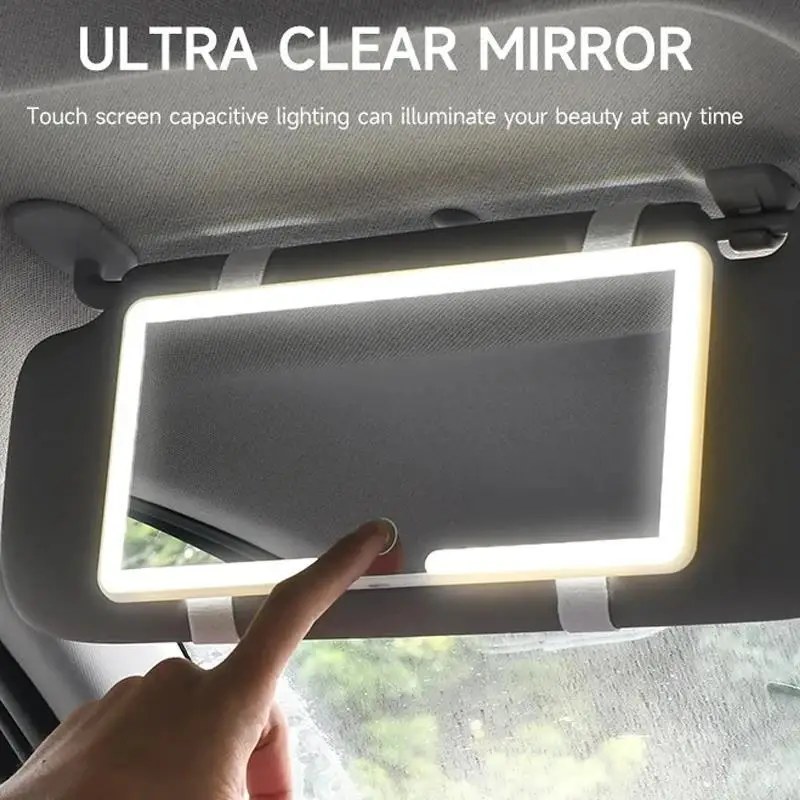
Yellowed, dim interior bulbs make a cabin feel dated at night. Swapping to a clean white LED is cheap and takes minutes. Keep the colour temperature sensible; very blue light looks cheap.
6. Last, the small stuff
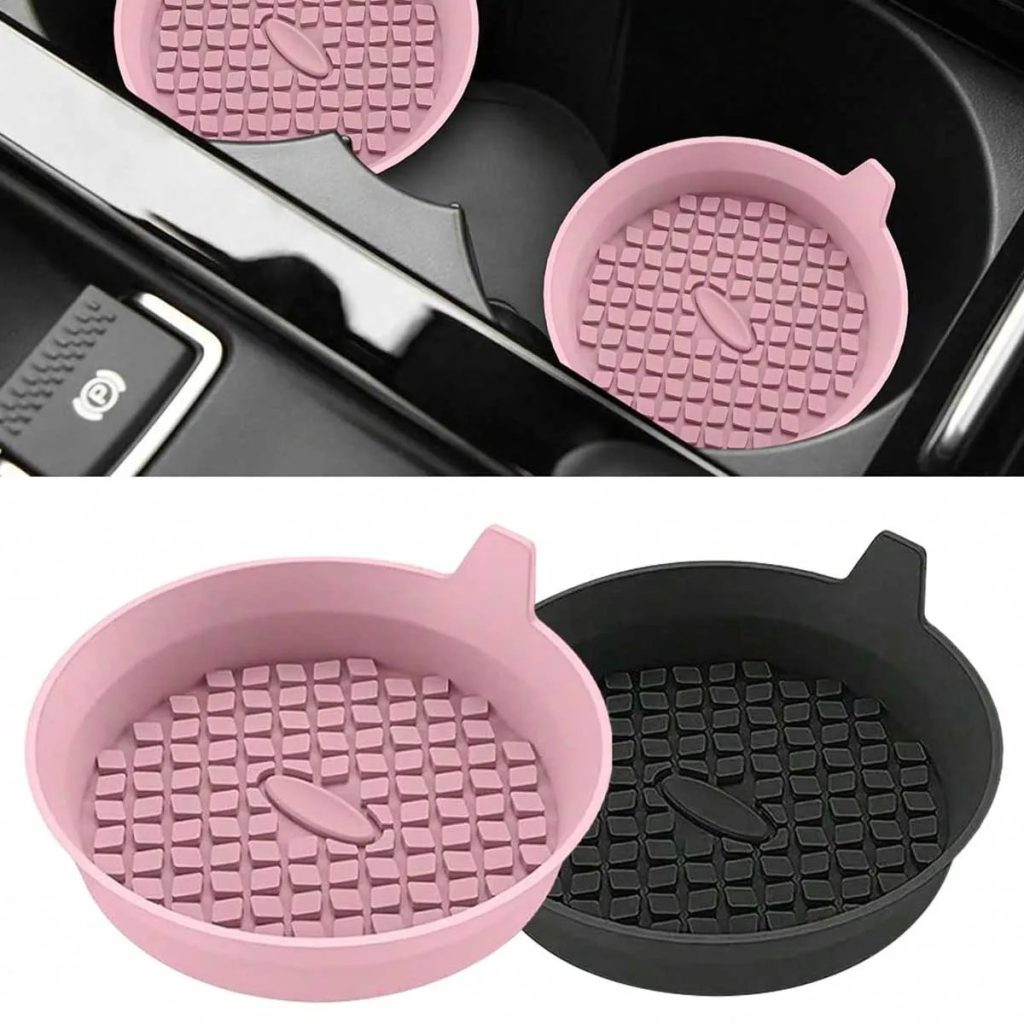
Trim strips, cup holder inserts, a tidy phone mount. These finish the job, but done before the first five steps they simply decorate a tired cabin.
Dealing with worn switchgear and shiny plastic
On a high-mileage car the steering wheel, gear knob and door handle areas develop a polished sheen from skin oils. It is not dirt and it does not clean off, because the surface texture itself has worn smooth.
- A steering wheel cover is the simplest and most effective answer
- Gear knob covers exist but often feel worse than the original
- Worn switch labelling cannot be restored; replacements from a breaker are cheap
- Matt interior dressing reduces the contrast between worn and unworn areas
Smell, which people notice before they notice anything else
An older car very often smells its age, and that impression forms before anyone looks at the seats. Addressing it is high-impact and cheap: deep clean, change the cabin filter, dry everything out, then add a mild fragrance.
This matters particularly when selling. A buyer who opens the door to a musty smell has already formed a view of how the car has been looked after, regardless of the service history.
Knowing when to stop spending
There is a point where money spent on an older interior is not recovered, and it arrives sooner than most owners expect.
- Cleaning and mats: always worth it, on any car
- Seat covers and a wheel cover: worth it on most cars
- Interior LEDs and trim: worth it if you are keeping the car
- Retrimming seats: rarely recovered on an ordinary car
- Replacing a cracked dashboard: only on something worth preserving
Frequently asked questions
Is it worth doing this before selling?
Yes. Interior condition disproportionately affects a buyer’s impression, and cleaning plus mats is among the best value preparation there is.
What about a faded dashboard?
Clean off old dressing first. Much of what looks like fading is silicone build-up. If it is genuinely UV-faded, a matt-finish restorer helps.
