
A high-gloss dashboard is not a sign of a clean car. It is a sign of silicone dressing, and beyond looking artificial it creates a genuine problem: reflections on the inside of the windscreen in low sun.
Why dashboards go shiny
Many all-purpose interior products contain silicone oils. They make plastic look dark and new immediately, which sells the product, but they sit on the surface rather than cleaning it. Over time they attract dust, so the dashboard needs doing more often, and the build-up gets glossier each time.
Getting back to matt
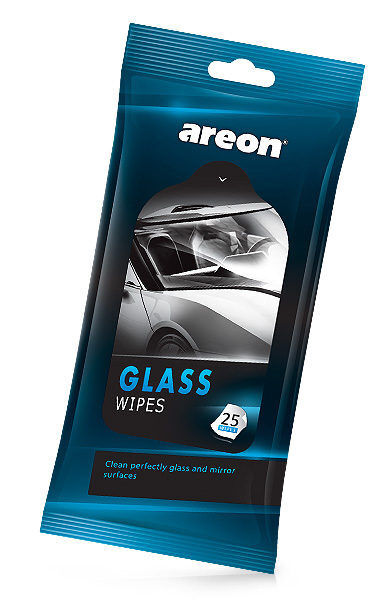
- Clean with a product designed to remove rather than add. An interior wipe formulated for a natural finish will lift old dressing.
- Work in sections and turn the cloth or wipe frequently, so you are removing residue rather than moving it around.
- Go over the surface a second time with a clean, slightly damp microfibre.
- Dry with a second clean microfibre.
It can take two or three sessions to fully strip years of silicone build-up. The finish will look duller each time, which is the point.
The windscreen connection
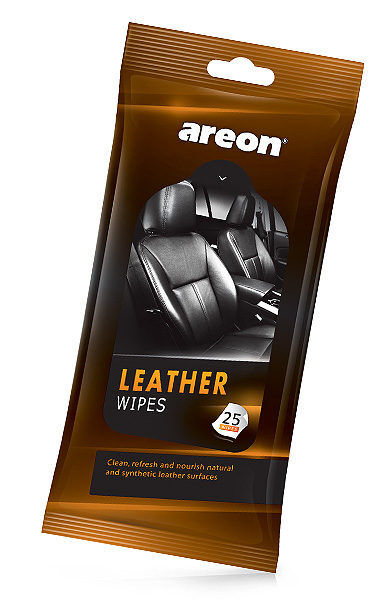
That oily film does not stay on the dashboard. Heat causes it to off-gas and condense on the inside of the windscreen, which is the main cause of the greasy haze that appears in low winter sun and is almost impossible to see through.
If your inside windscreen goes hazy repeatedly, the dashboard dressing is usually the culprit. Fix the dashboard and the glass stays clear far longer.
Protecting without gloss
Dashboards do benefit from UV protection, particularly on cars parked outside. Look for products that describe the finish as natural, matt or satin rather than those promising shine or wet look.
Textured plastic and the grain problem
Most dashboards are moulded with a fine grain to disperse reflections. That grain is excellent at hiding fingerprints and equally excellent at holding dust and old dressing, which is why a dashboard can look clean from one angle and grubby from another.
A flat cloth skates across the top of the grain. A soft detailing brush, or a microfibre with some pile pushed gently into the surface, lifts what the flat cloth leaves behind. On a dashboard that has never been properly cleaned, the difference after a brush pass is obvious.
UV damage and what it actually looks like
Dashboards take more direct sun than anything else in the cabin. Over years the plasticiser migrates out, the surface hardens, colour fades unevenly and in the worst cases the surface cracks, usually first at the top of the binnacle where the angle to the sun is most direct.
None of that is reversible. A cracked dashboard can only be covered or replaced. That makes the argument for a UV-protective product genuinely practical rather than cosmetic, particularly for a car parked outside all year.
Choosing a protectant that does not shine
- Look for the words matt, natural or satin finish on the label
- Avoid anything promising wet look, high gloss or showroom shine
- Water-based products generally leave less residue than solvent-based
- Apply to the cloth, not the surface, so you control the amount
- Buff off the excess; most gloss comes from leaving too much product on
A windscreen sunshade does more for a dashboard than any product, and costs less than most of them.
Frequently asked questions
How do I clear the greasy film off the inside of my windscreen?
Clean it twice: once with a dedicated glass cleaner to cut the film, then again with a fresh cloth to remove what the first pass loosened. One pass usually just spreads it.
Is it safe to use washing-up liquid on interior plastic?
It will clean, but it is harsh, strips any UV protection and can leave a residue. It is not worth it for the small saving.
