
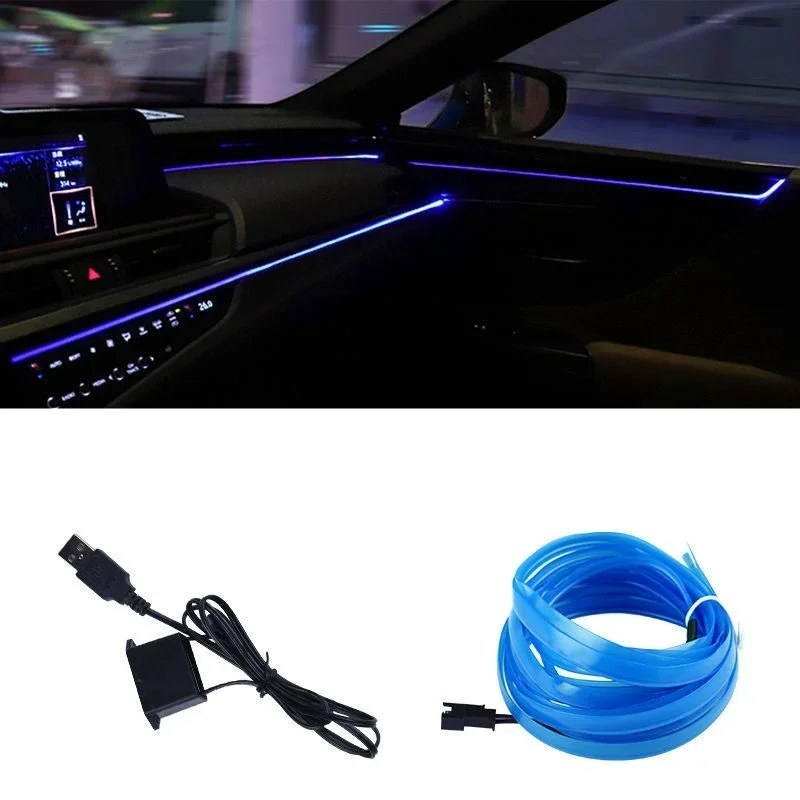
Swapping interior bulbs for LEDs is one of the easiest upgrades there is, and for the cabin it is essentially unregulated. The rules that matter apply the moment light is visible from outside the vehicle.
Inside the cabin
Courtesy lights, map lights, boot and glovebox lights can be changed freely. The only real constraint is that nothing should distract you or reflect off the windscreen while driving.
Ambient footwell and underdash lighting is also fine, with two sensible limits: keep it dim enough not to affect night vision, and avoid red or blue at the front of the cabin where it could be seen from outside and mistaken for an emergency vehicle.
Where it becomes a legal issue
- Blue or red light visible from outside the vehicle is prohibited
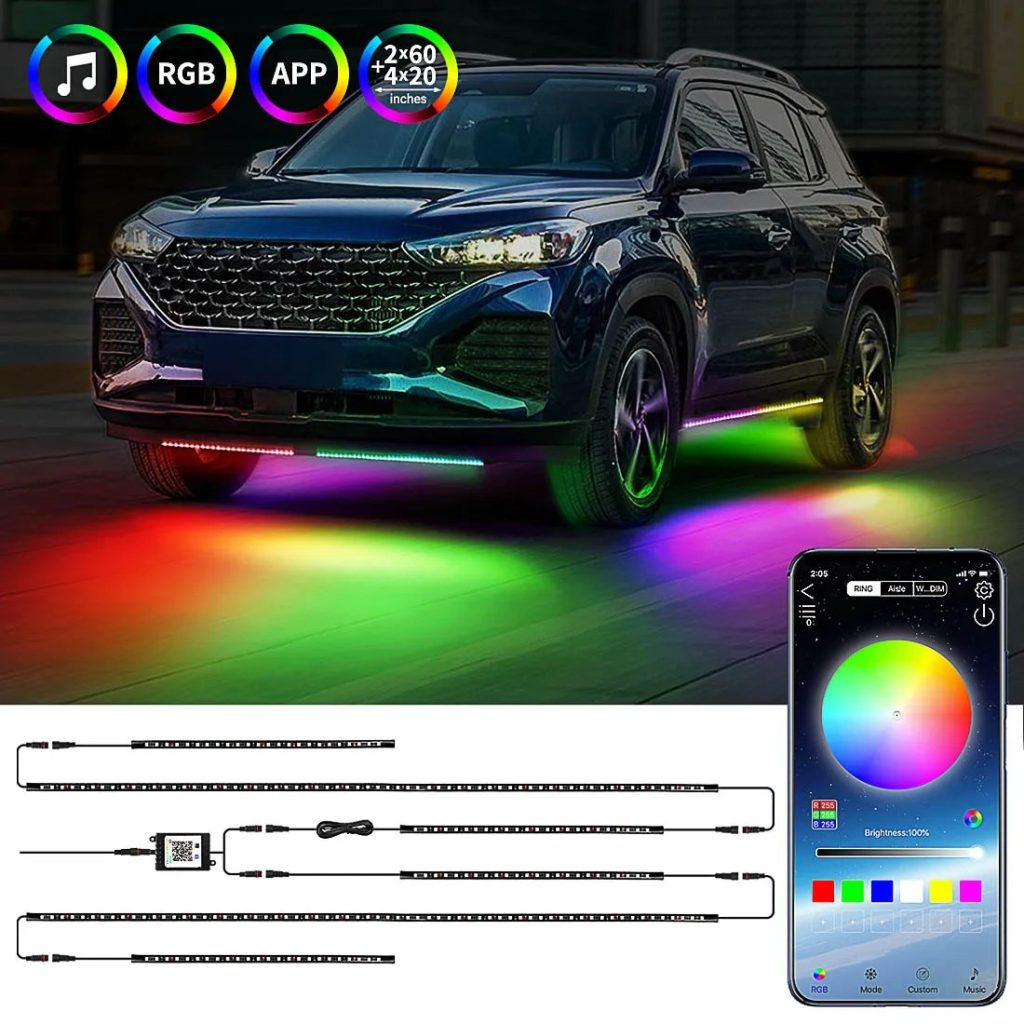
- Underbody neon or LED visible while driving is not permitted on public roads
- Flashing lights of any colour are not allowed
- Anything that obscures or alters a number plate is an offence
- Exterior bulb changes must meet the correct approval marking
The headlight bulb question
Retro-fitting LED bulbs into a halogen headlight unit is the common trap. The reflector or projector is designed around the filament position of a halogen bulb, and an LED with a different emitter geometry usually produces scatter and glare even when it looks brighter to the driver.
For MOT purposes, an LED bulb fitted to a halogen unit is not a road-legal combination. Cars built with factory LED headlights are a different matter entirely.
Sensible choices
For interior lighting, pick a warm or neutral white around 4000 to 5000K. Very cold blue-white light looks harsh, shows up every mark in the cabin and is more tiring at night.
CANbus, resistors and error messages
Many cars monitor bulb circuits by measuring current. An LED draws a fraction of what a filament bulb does, so the car concludes the bulb has failed and displays a warning, or in some cases flickers the light.
- CANbus-compatible LEDs include a resistor to mimic a filament load
- Standalone load resistors can be wired in, but they get hot and must be mounted carefully
- Interior lights are less commonly monitored than exterior ones
- Some cars need coding rather than a resistor, which requires a diagnostic tool
Choosing colour temperature
Colour temperature is measured in kelvin, and the number on the packaging tells you what the light will look like.
- 2700 to 3000K: warm, like a domestic bulb. Cosy but can look dated.
- 4000 to 5000K: neutral white. The best all-round choice for a cabin.
- 6000K and above: cold blue-white. Looks harsh and shows every mark.
Very high figures are marketed as brighter, which is misleading; they are bluer, not brighter. For reading a map or finding something in a footwell, neutral white is far more useful.
Changing bulbs without breaking trim
- Let the old bulb cool; festoon bulbs get very hot
- Use a plastic trim tool to release the lens, starting at the notch
- Note the bulb type before buying; festoon lengths vary
- Check polarity, as many LEDs only work one way round
- Test before clipping the lens back in place
Frequently asked questions
Will interior LEDs fail an MOT?
Interior lighting is not an MOT item unless it is visible externally or affects the driver’s view. Exterior lighting is tested.
Why does my new LED bulb flicker or show a bulb warning?
Many cars monitor bulb current. LEDs draw far less, so the car reports a failure. A CANbus-compatible bulb or a resistor is needed.
