
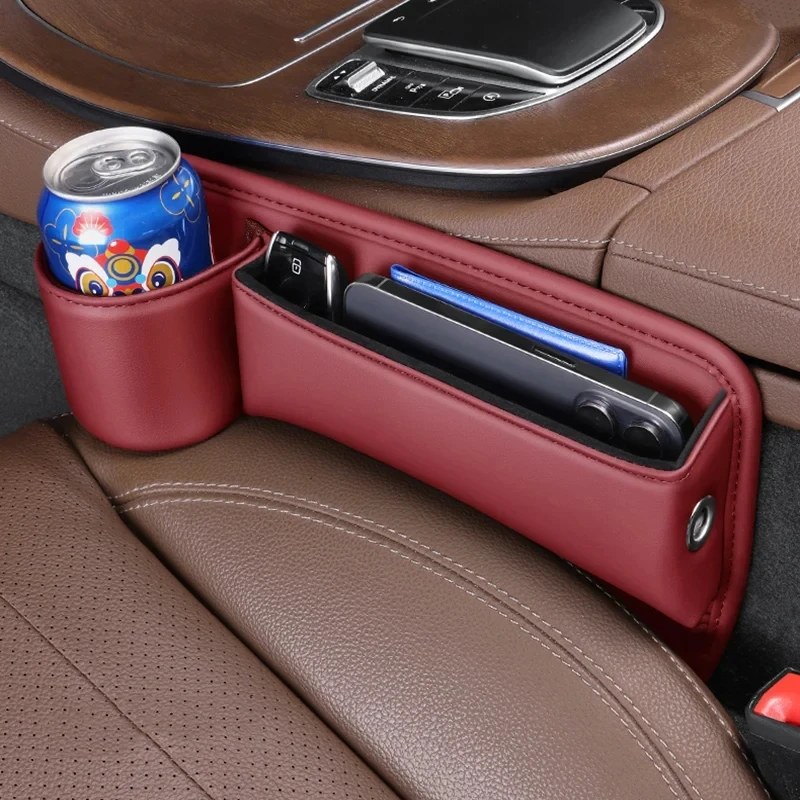
Car boots are smooth, wide and flat, which is excellent for large items and terrible for a handful of shopping bags. Everything slides to the back on acceleration and arrives at the bumper by the time you get home.
Why it happens
Bags have a high centre of gravity, a small base and a slippery surface. Boot floors are carpet or plastic, which offers little grip, and there is nothing for them to lean against. A single roundabout is enough.
What actually works
- A collapsible boot organiser with compartments, which is the best single answer
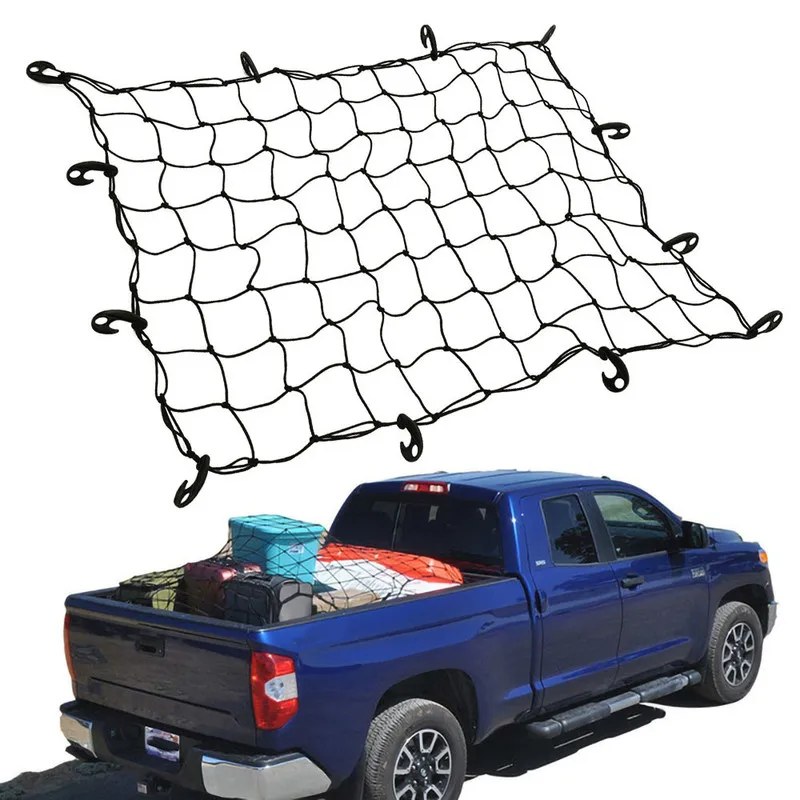
- A cargo net across the boot floor, holding bags against the seat backs
- Mesh storage bags on the side walls for small, light items
- A boot liner with anti-slip texture, which stops sliding before it starts
The organiser is the one most people find they actually use, because it folds flat against the side when not needed and does not have to be removed for a large load.
Loading order
- Heaviest items at the back, against the seat backs, and low
- Bottles and liquids upright, wedged so they cannot tip
- Eggs and soft items on top or in a separate compartment
- Frozen food last, nearest the door, so it comes out first
- Fill gaps so nothing has room to slide
The safety point
Loose heavy items in a boot are a real hazard in a collision, and on estates and hatchbacks with the seats folded there is nothing between the load and the cabin. Anything heavy should be secured rather than simply placed.
Frozen and chilled shopping
An insulated bag is the obvious answer, and it is more effective than people expect: a decent cool bag keeps frozen food solid for a couple of hours in a cool car, and considerably less in a hot boot in July.
- Load chilled and frozen last, so it is out of the shop for least time
- Keep it away from the boot floor above the exhaust tunnel, which gets warm
- In summer, park in shade and avoid long detours on the way home
- A rigid cool box doubles as a container that stops everything sliding
Carrying long or awkward items
- Fold the rear seats before loading rather than forcing items in
- Protect the seat backs with a blanket or the boot liner
- Tie down anything that extends past the seat line
- Anything protruding beyond the vehicle must be marked, and there are legal limits
- Do not drive with the tailgate open; exhaust fumes can enter the cabin
That last point is a genuine carbon monoxide risk and is worth taking seriously on anything other than a very short, slow journey.
Weight distribution
Heavy loads change how a car handles, raising the rear, lightening the steering and lengthening braking distances. Keeping weight low and forward, against the back of the rear seats, minimises the effect.
Check the vehicle’s payload if you regularly carry heavy items. It is on the VIN plate, and it is lower than most drivers assume once passengers are included.
Frequently asked questions
Do cargo nets work on any car?
Most cars have boot lashing eyes. If yours does not, a floor-based organiser or a liner with grip is the better route.
What is the best way to carry bottles?
Upright in a compartmented organiser. Laid down they roll, and a leaking bottle in carpet is very hard to clean up.
