
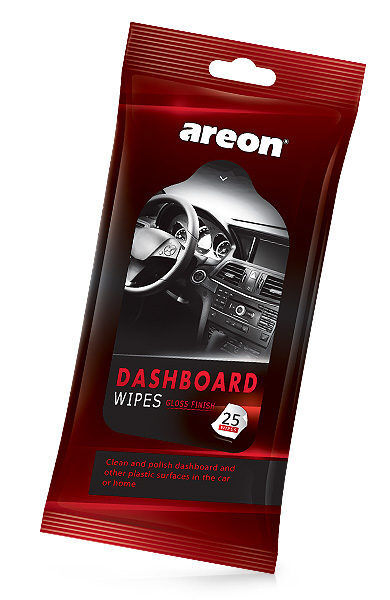
Wipes have largely taken over from spray bottles for routine interior cleaning, and for good reason, but there are jobs where a spray and a cloth still win comfortably.
Where wipes win
Wipes are pre-dosed. The cloth and the fluid are matched, so you cannot over-wet a surface, and there is nothing to set up or put away. That sounds minor and it is the single biggest factor in whether interior cleaning actually happens.
They are also far better in a car because there is no overspray. Spraying cleaner near a screen, an instrument cluster or a speaker grille risks fluid getting where it should not.
- Quick weekly touch-point cleans
- Anything near electronics or screens
- Cleaning while away from home
- Dashboards, door cards and consoles
Where a spray still wins
Heavy, ground-in dirt needs dwell time. A spray lets you wet the area, leave it for a minute to soften, and then agitate. A wipe dries too quickly for that.
Sprays are also more economical for large areas and let you choose the cloth, which matters on textured plastic where a microfibre with some pile gets into the grain.
Matching the product to the surface
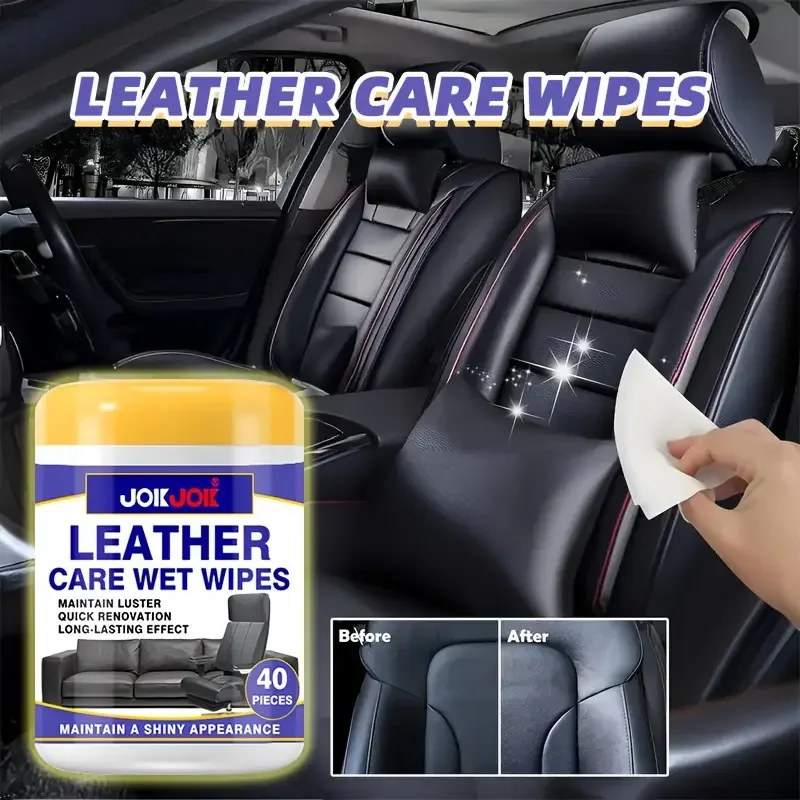
Whichever format you choose, the surface dictates the chemistry. Leather wants a pH-balanced leather product, not a general purpose cleaner. Glass wants a low-residue formula. Screens want water on a clean microfibre and nothing else.
A sensible combination
Most people are best served by keeping a pack of interior wipes in the car for routine work and a dedicated product at home for the occasional deeper clean. That covers both the little-and-often case and the heavy job.
Cost per clean
A pack of wipes looks more expensive than a bottle of concentrate, and per clean it usually is. A bottle of dilutable interior cleaner makes many litres of working solution for the price of two or three packs.
The honest counterweight is that the cheaper option only saves money if it actually gets used. A great many bottles of concentrate sit in garages while cars stay dirty, because the setup cost of getting them out, diluting and finding a cloth is enough friction to prevent the job happening.
Storage in the car
Wipes live in the car, which is most of their value, but the environment is hard on them. A pack in direct sun dries out through the lid seal within weeks, and one left in a footwell gets crushed and split.
- Door bin or seat back pocket, out of direct sunlight
- Press the lid firmly closed every time; most drying out is a lid that was not clicked shut
- Avoid the boot, where they are out of sight and never used
- Replace a pack that has gone stiff rather than adding water to it
Environmental considerations
Most car wipes are not flushable and many are not biodegradable, so they belong in general waste. Wipes containing plastic fibres are the ones to avoid if that matters to you; look for cellulose or viscose-based products.
A reasonable compromise is wipes in the car for routine work and a refillable spray with washable microfibres at home for the bigger jobs, which keeps convenience where it counts and reduces waste for the rest.
Frequently asked questions
Can car wipes dry out in the packet?
Yes, if the seal is not closed properly. Press the lid shut firmly and store the pack out of direct sun.
Are baby wipes a good substitute?
Not really. They contain moisturisers and oils that leave a film on interior plastic and can make a dashboard shiny and slippery.
