
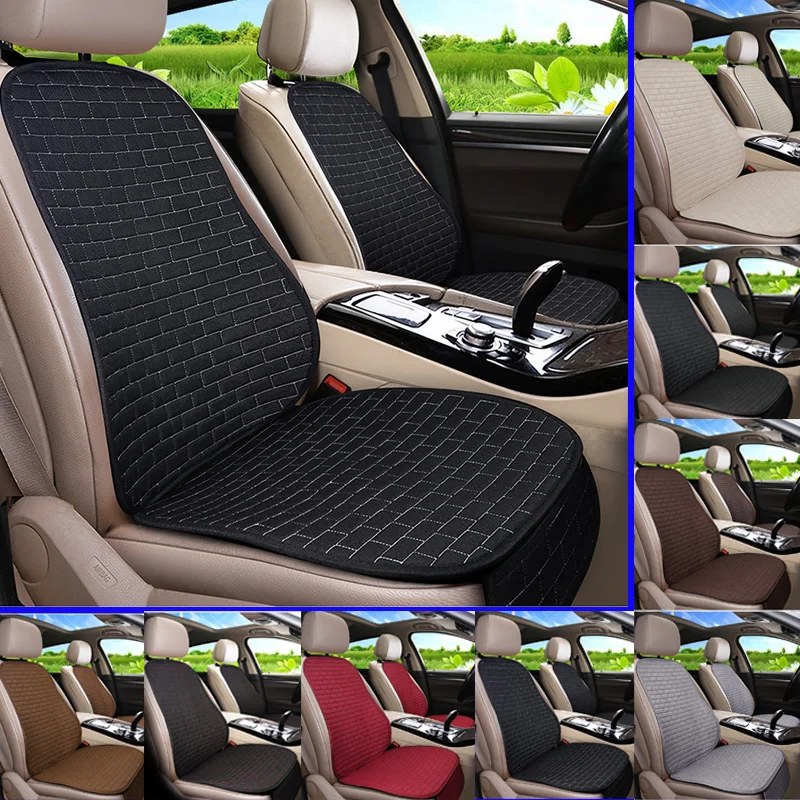
Discomfort on a long drive is usually a posture problem before it is a padding problem. A cushion helps with some causes and does nothing for others, so it is worth understanding which you have.
Adjust the seat first, it is free
- Set seat height so your hips are level with or slightly above your knees
- Set the base angle so your thighs are supported along their length without pressure behind the knee
- Set the backrest to roughly 100 to 110 degrees, not bolt upright
- Bring the seat close enough that you can press the clutch fully with a slight knee bend
- Set the headrest so its centre is level with the top of your ears
A surprising number of long-drive aches disappear entirely once the base angle and height are right.
What a cushion genuinely helps with
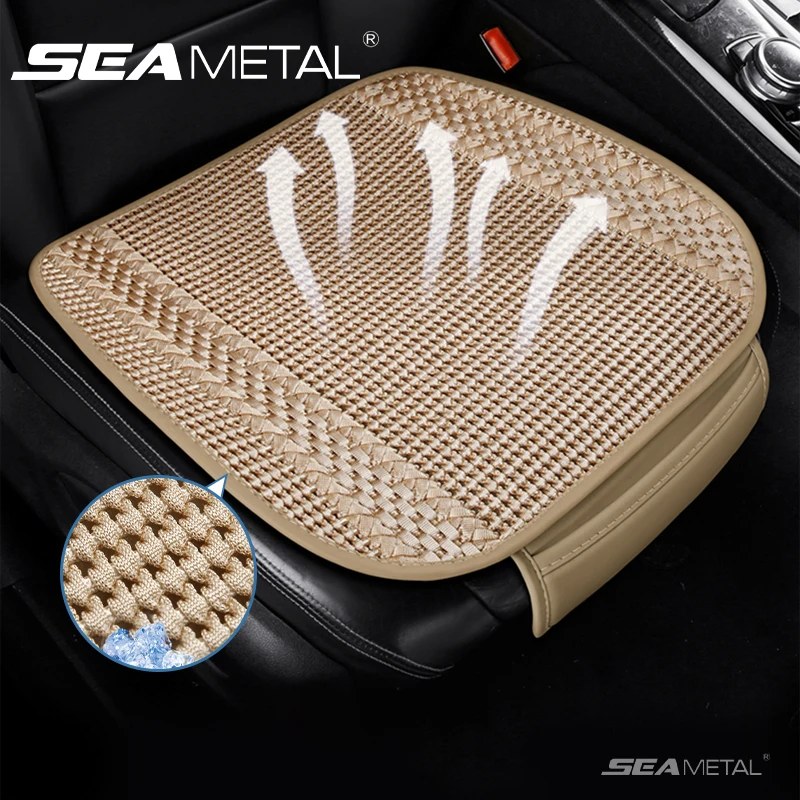
Cushions work well for flattened seat foam in an older car, for raising a shorter driver to a better sight line, and for redistributing pressure on long motorway stints. A breathable or gel cushion also helps enormously with heat on a summer drive, which is a real cause of fidgeting and fatigue.
What a cushion will not fix
It will not fix a backrest with no lumbar support, and it will not fix a seat that is too low with the base angle flat. Adding height without correcting the angle can actually make thigh pressure worse.
If the pain is specifically lower back, a separate lumbar support does more than a base cushion.
Practical points
A cushion must not compress so far that it changes how the seat belt sits across your hips, and it must not slide. Anything that moves under braking is both uncomfortable and unsafe.
Breaks, which matter more than any cushion
Sustained sitting is the underlying problem. Muscles fatigue, discs load unevenly and circulation reduces, and no cushion prevents that.
- Stop every two hours, which is also the official advice for driver fatigue
- Walk for a few minutes rather than standing by the car
- Change seat position slightly every hour on a long drive
- Adjust lumbar support periodically rather than setting it once
Drivers who do this arrive noticeably less stiff than those relying on equipment alone.
Choosing between gel, memory foam and air
Memory foam distributes pressure well but softens as it warms, so support reduces over a long drive and it traps heat.
Gel stays cooler and holds its shape better, at the cost of weight and a firmer initial feel.
Air cell cushions let you tune firmness and are the best for genuine pressure relief, but they are the most expensive and can feel unstable.
For a two-hour commute in a car with tired foam, gel or a gel-foam hybrid is usually the best balance.
When it is not the seat
If pain is sharp, radiates into a leg, or persists after you get out of the car, that is worth medical attention rather than another cushion. Sciatic symptoms in particular are commonly blamed on car seats when the cause is elsewhere.
Equally, pain only in one shoulder or one side of the neck often comes from the mirror or seat position forcing a slight rotation, which is free to correct.
Frequently asked questions
Are gel cushions better than foam?
For heat, yes, noticeably. For pure support, a firm foam holds its shape better over a long drive.
Can a cushion affect airbag safety?
A base cushion is generally fine. Avoid anything that pads the backrest sides where a side airbag deploys.
