
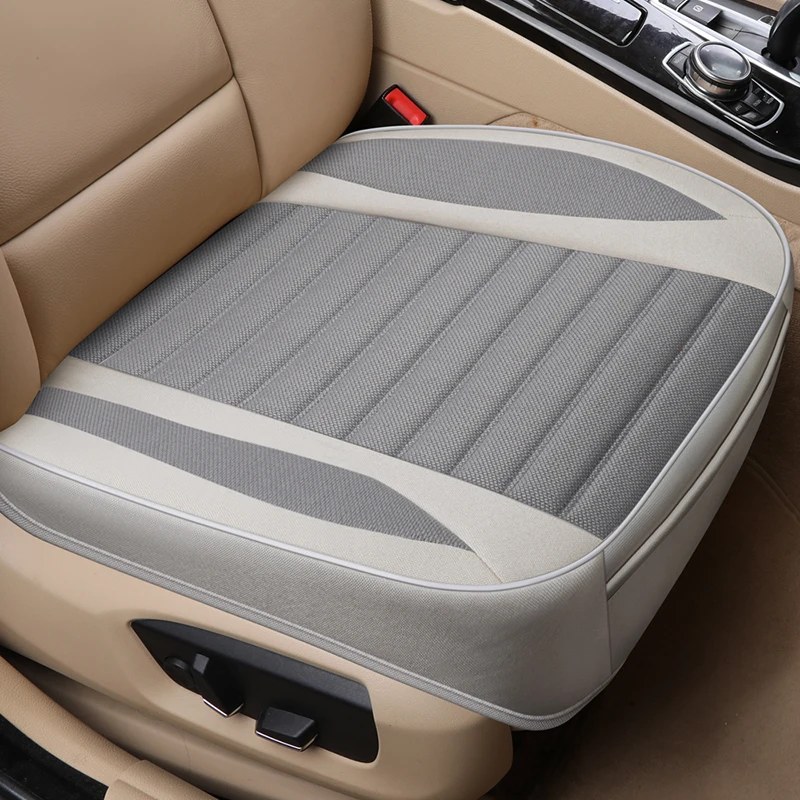
A family car takes a specific kind of punishment, and it is concentrated in a small area: the rear bench, the backs of the front seats, and the rear footwells.
The child seat problem
A correctly fitted child seat is tightened hard against the upholstery and stays there for years. That pressure permanently marks most seat materials, and the ISOFIX points concentrate load in two small spots.
A protector mat under the seat spreads the load and takes the indentation. It must be thin and non-compressible: a thick, squashy protector can let the child seat move, which compromises the fit. If in doubt, check the child seat manufacturer’s guidance, as some explicitly prohibit anything underneath.
Kick mats
The back of the front seats takes a beating from shoes, and on leather or leatherette that scuffing does not come out. A kick mat is about five pounds of protection for a panel that is genuinely expensive to retrim.
Food and drink
- Keep wipes in the door bin, not the boot, or they will not get used
- Deal with dairy spills immediately; they smell within a day in a warm car
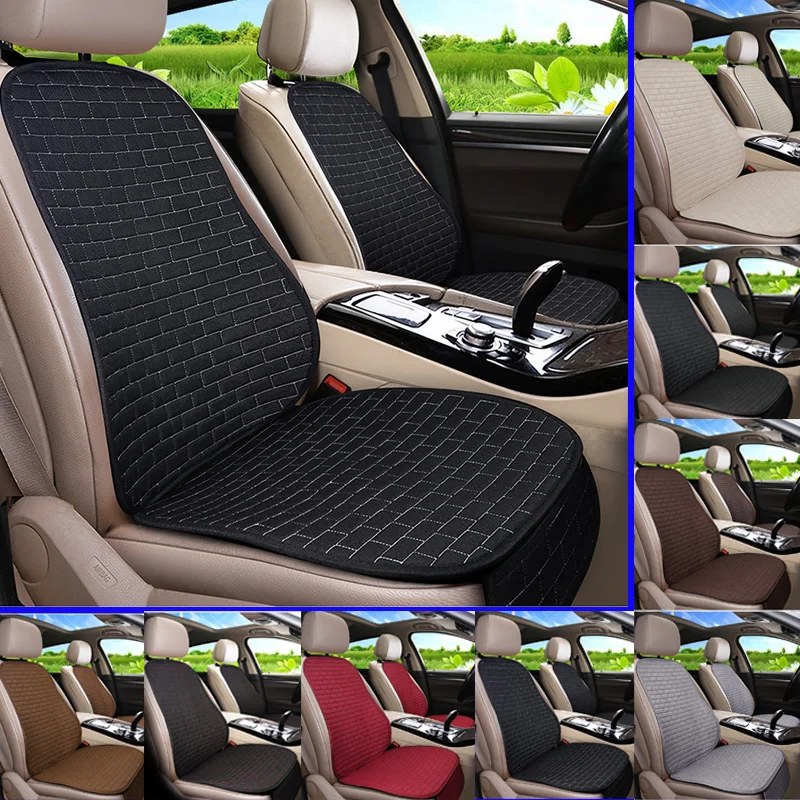
- A washable seat cover on the rear bench is easier than cleaning the bench
- Rubber rear mats, because rear footwells collect everything
Accept a maintenance rhythm
With children, the aim is not a pristine car, it is a car that never gets far enough from clean to need a full day’s work. Ten minutes a fortnight with a vacuum and a pack of wipes achieves that; waiting until it looks bad does not.
Sun protection for rear passengers
Rear side windows are usually untinted on lower trims and let through a great deal of heat and UV. A child in a rear-facing seat can be in direct sun for an entire journey without being able to move.
- Static-cling or roller sunshades on rear side windows
- Avoid suction shades that can fall and become a distraction
- Check the shade does not obstruct your mirror view
- Never cover a window that an airbag deploys across
Travel sickness and what actually helps
Car sickness is caused by a mismatch between what the eyes see and what the inner ear feels. Children are especially prone because their seating position often prevents them seeing out of the front.
- Raise the seat so the child can see out of the windscreen if the seat allows
- Encourage looking at the horizon rather than down at a screen or book
- Keep fresh air moving; recirculated warm air makes it worse
- Avoid heavy meals before travelling, and keep water available
- Stop at the first complaint rather than pressing on
Keep a clean-up kit within reach rather than in the boot: wipes, a bag, kitchen roll and a spare top. The difference between a minor incident and a ruined seat is how fast you can react.
Getting the child seat position right
The safest position is generally the rear centre if a suitable fixing exists, because it is furthest from any impact. In practice many cars have no ISOFIX in the centre, in which case behind the front passenger is the usual choice.
Whichever you use, check the fit periodically. Seats loosen with use, and a seat that moves more than a couple of centimetres at the belt path needs re-tightening.
Frequently asked questions
Do child seat protector mats affect safety?
A thin, firm mat from a reputable brand is generally accepted. Thick or soft padding can allow movement and should be avoided.
How do I get a milk smell out of a seat?
Ordinary cleaning removes the mark but not the odour. You need an enzyme cleaner, because the smell is bacterial rather than a stain.
