
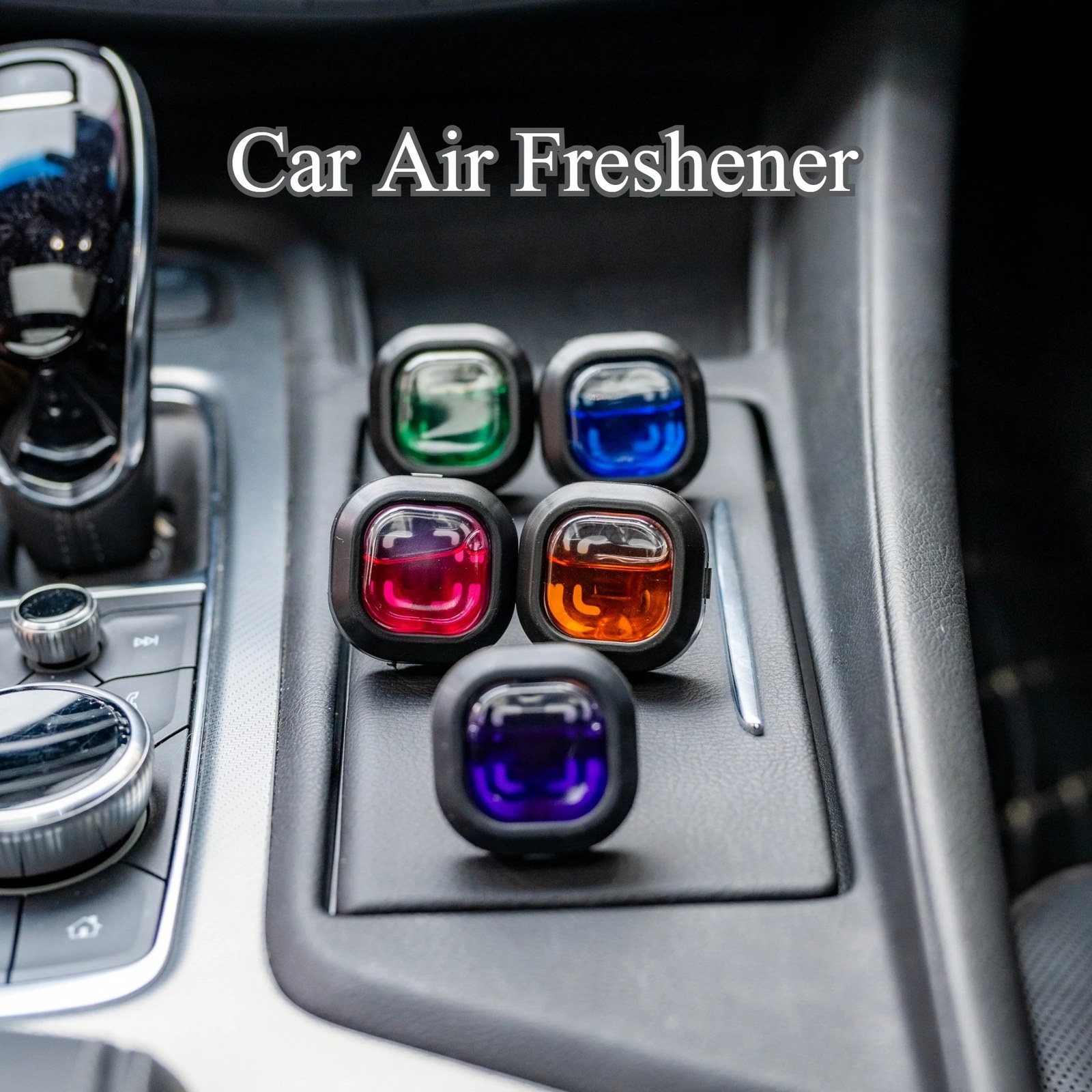
Every car picks up a smell eventually. Wet coats, a spilled coffee, a dog after a muddy walk, a forgotten gym bag in the boot. The mistake most people make is reaching straight for an air freshener, which covers the problem for a fortnight and then leaves you back where you started. Removing a smell properly means finding what is causing it first.
Find the source before you mask it
Odours almost always come from something absorbent holding moisture: carpet, seat foam, the boot liner, or the cabin filter. Warm the car up with the windows shut for ten minutes, then get in. Heat makes smells far easier to locate.
Work methodically through the usual suspects:
- Under the seats and in the seat rails, where food and drink collect
- The boot floor, especially under a false floor or spare wheel well
- Footwell carpet on the driver’s side, which gets the most wet shoes
- The cabin air filter, which traps damp and can grow mould
- Cup holders and door bins, where spills dry and go sour
Deal with damp first
In the UK, damp is behind more car smells than anything else. Carpet that has been soaked once and never properly dried will smell musty for years. If the carpet feels cold and slightly heavy compared with the other side of the car, it is still holding water.
Lift the mats out, dry them separately, and leave the car open on a dry day. A dehumidifier bag left in the footwell overnight pulls a surprising amount of moisture out of a closed cabin. Only once everything is genuinely dry is there any point adding fragrance.
Clean the surfaces properly
Hard surfaces hold less smell than fabric, but they still hold some. Wipe down the dashboard, door cards, centre console and steering wheel. Interior wipes are the quickest route here because they clean and dry in one pass without leaving the surfaces wet.
For fabric seats and carpet, vacuum thoroughly first, then treat any stain directly. Scrubbing a dry stain spreads it; lift it instead by working from the outside in.
Then, and only then, add fragrance
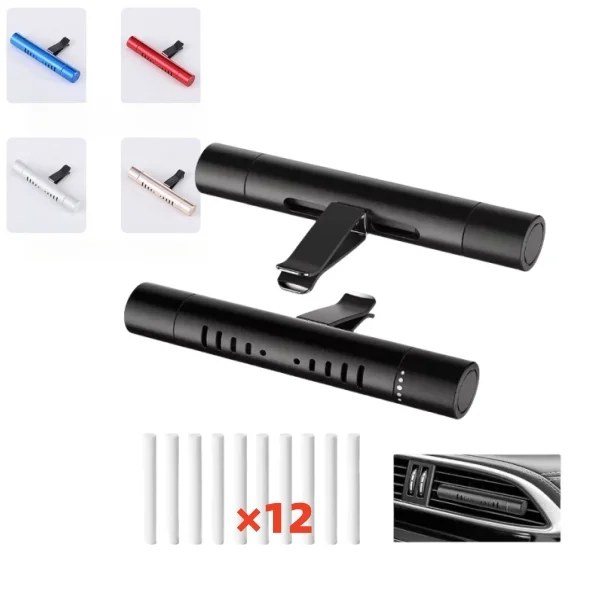
With the source gone, a freshener does what it is supposed to do: make the cabin pleasant rather than fight an ongoing problem. Vent clips give the strongest initial hit because air moves across them directly. Hanging cards are milder and last longer. Gel and bead products sit somewhere in between and are good in a boot or under a seat.
Fragrance strength is personal, but a good rule is to under-do it. A scent you can smell strongly on day one will be overpowering in an enclosed car on a hot afternoon.
The ventilation system is its own problem
If the smell arrives with the fan rather than sitting in the cabin, the source is upstream of you. Air conditioning evaporators sit in a dark, cold, damp housing, and over a season they grow a biofilm that produces the distinctive sour smell people describe as gym socks or vinegar.
The fix is twofold. Change the cabin filter, which is cheap and takes minutes on most cars. Then dry the evaporator: switch the air conditioning off a few minutes before you finish a journey but leave the fan running, which lets airflow dry the matrix before the car sits overnight.
Some cars do this automatically. Most do not, and the habit makes a substantial difference over a year.
Smoke is a different problem entirely
Tobacco smoke is the hardest odour to remove from a car because it deposits tar on every surface, including the inside of the glass and the ventilation ducting. Surface cleaning removes perhaps two thirds of it, and the rest continues to off-gas for months, especially in warm weather.
Realistically, removing smoke smell means cleaning every hard surface including the headlining, replacing the cabin filter, and shampooing the fabric. Even then, a car that was smoked in for years may never be completely neutral. This is worth knowing before buying a used car cheaply because of the smell.
A realistic maintenance rhythm
Once a car is genuinely clean, keeping it that way takes very little. The pattern that works is small and frequent rather than occasional and heavy.
- Weekly: remove rubbish, check for anything damp, wipe touch points
- Fortnightly: vacuum carpet and seats, shake out the mats
- Monthly: wipe hard surfaces, clean interior glass, check under the seats
- Quarterly: air the car out properly on a dry day, replace fragrance
- Annually: change the cabin filter, deep clean the carpet if needed
The single most valuable habit is dealing with anything wet the day it happens. Almost every persistent car smell began as something damp that was left for a week.
Frequently asked questions
How long should a car air freshener last?
A vent clip typically gives four to six weeks of noticeable scent, a hanging card around three to four. Heat shortens both, so expect less in summer.
Will an air freshener cover a damp smell?
Only briefly. Damp is an ongoing source, so it keeps producing odour. Dry the cabin out first or you will be replacing fresheners constantly.
Is it safe to use household air freshener in a car?
It is not ideal. Household products are formulated for larger, ventilated rooms and can be overwhelming in a cabin, and aerosols can leave residue on glass.
