

It is possible to make a car smell worse by adding fragrance to it. These are the mistakes that come up most often, and they are easy to avoid once you know about them.
Layering scents on top of each other
Two fragrances in one cabin do not blend into a third, pleasant one. They compete, and the result usually reads as cloying and artificial. If you are switching scent, remove the old product first and air the car out for a day.
Using fragrance to hide damp or mould
This is the big one. Damp keeps producing odour, so you end up escalating: a stronger product, then two of them, then a stronger one again. The cabin ends up smelling of intense fragrance and underlying mustiness at the same time, which is considerably worse than either alone.
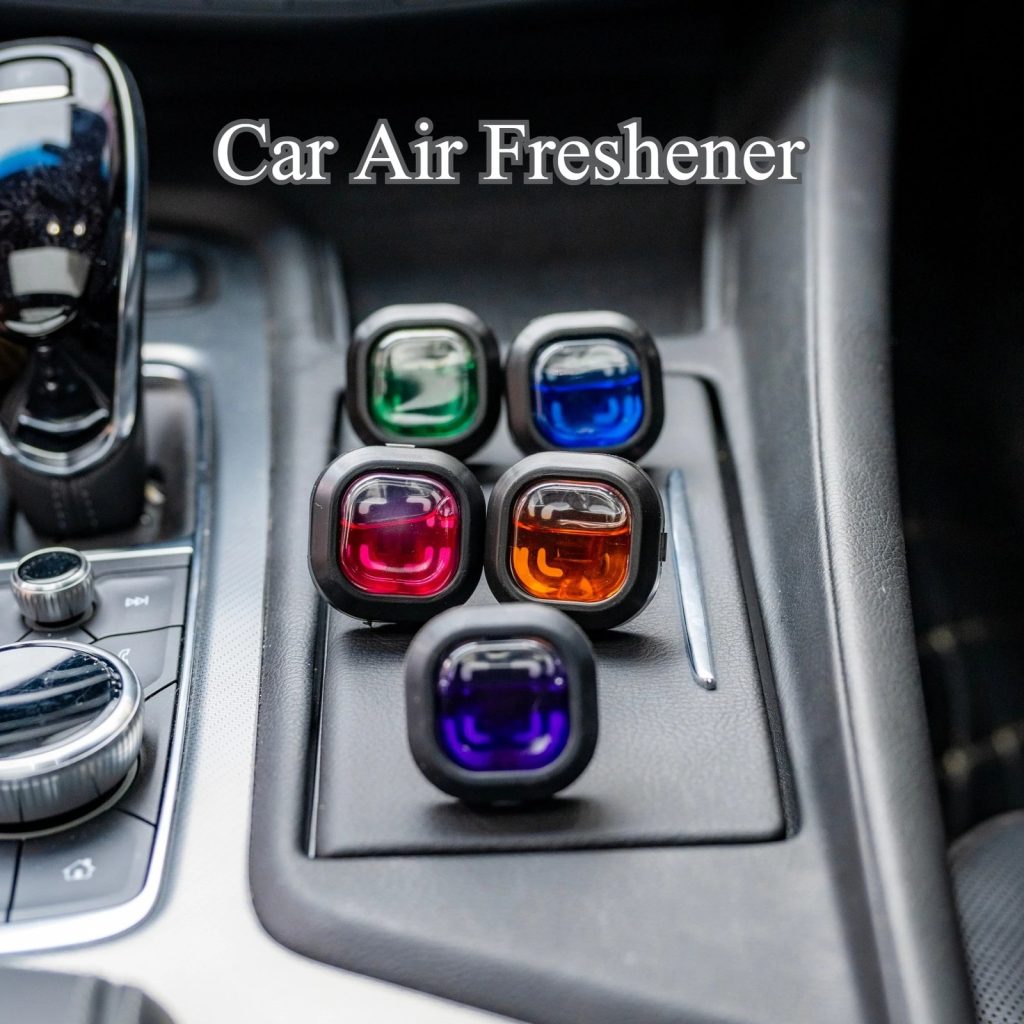
Putting products in direct sun
A gel or oil product on the dashboard cooks. It burns through its lifespan in a fraction of the expected time, and in hot weather a leaked oil can mark dashboard plastic or leave a film on the inside of the windscreen that is difficult to remove.
Ignoring the ventilation system
If the smell arrives with the fan, no amount of fragrance in the cabin will fix it, because the source is upstream of the cabin. Change the cabin filter and run the air conditioning regularly to dry the evaporator.
Overdoing it in a small car
Fragrance strength should scale with cabin volume. A product that is pleasant in a large estate can be genuinely unpleasant in a small hatchback with the windows up. Start mild; you can always add.
Nose blindness, and why you are the worst judge
Olfactory adaptation means you stop registering a constant smell within minutes. In your own car, which you get into every day, you are effectively unable to assess it accurately.
This cuts both ways: you under-notice a developing musty smell, and you over-apply fragrance because you cannot smell what a passenger finds overwhelming. If someone comments on the smell of your car, in either direction, believe them over your own nose.
The best available self-test is to leave the car closed for several hours, then open the door and take the first breath without preparing yourself for it.
Cheap oils and interior damage
Very inexpensive fragrance oils often use solvent carriers that are aggressive towards interior plastics. A leak or even prolonged contact from a vent clip touching a vent slat can soften or discolour the plastic.
Check where a product physically touches the car. A clip that rests against a painted trim piece or a soft-touch surface is worth repositioning, and anything that has leaked should be cleaned off immediately rather than left to work.
What to do if you have overdone it
- Remove every fragrance product from the car, including forgotten ones under seats
- Open all doors and the boot for a few hours on a dry day
- Wipe hard surfaces, which hold fragrance oil more than people expect
- Run the ventilation on fresh air, not recirculation, for a full journey
- Leave it entirely unfragranced for a week before adding anything back
Adding a different scent to cover an overpowering one never works. The only reliable route is removal and time.
Frequently asked questions
What should I do if a freshener is too strong?
Take it out of the car, leave the windows open for a few hours, and if it has a dial turn it down before putting it back. Storing it in a sealed bag between uses also helps.
